

Can a VPSA Oxygen Generator be used for industrial combustion processes?
As a supplier of VPSA Oxygen Generators, I've often been asked whether these generators can be effectively used in industrial combustion processes. In this blog post, I'll explore this question in detail, delving into the science behind VPSA technology, the requirements of industrial combustion, and the practical considerations of integrating a VPSA Oxygen Generator into such processes.
Understanding VPSA Oxygen Generators
Before we discuss their application in industrial combustion, let's first understand what VPSA Oxygen Generators are. VPSA stands for Vacuum Pressure Swing Adsorption. This technology is based on the principle of adsorbing nitrogen from the air using a molecular sieve under pressure and then desorbing it under vacuum. The result is the production of high - purity oxygen.
A VPSA Oxygen Generator typically consists of two or more adsorption vessels filled with a molecular sieve material, usually zeolite. When air is fed into the vessel under pressure, nitrogen molecules are preferentially adsorbed by the zeolite, while oxygen passes through and is collected as the product gas. Once the adsorption capacity of the sieve is reached, the vessel is put under vacuum to desorb the nitrogen, regenerating the sieve for the next cycle.
The purity of oxygen produced by a VPSA Oxygen Generator can range from 90% to 95%, which is suitable for many industrial applications. You can learn more about VPSA Oxygen Generators here.
Requirements of Industrial Combustion Processes
Industrial combustion processes are used in a wide range of industries, including power generation, steelmaking, glass manufacturing, and chemical production. The primary goal of combustion is to release energy by burning a fuel, such as coal, natural gas, or oil, in the presence of oxygen.
For efficient combustion, several factors need to be considered. Firstly, the right amount of oxygen is crucial. Insufficient oxygen leads to incomplete combustion, which results in lower energy output, the production of pollutants such as carbon monoxide, and the formation of soot. On the other hand, an excess of oxygen can waste energy and increase the operating costs.
Secondly, the purity of oxygen can also affect the combustion process. Higher - purity oxygen can increase the flame temperature, which can improve the efficiency of heat transfer and reduce the volume of exhaust gases. However, extremely high - purity oxygen can also pose safety risks, such as increased flammability and the potential for equipment damage.
Using VPSA Oxygen Generators in Industrial Combustion
Now, let's examine whether VPSA Oxygen Generators can meet the requirements of industrial combustion processes.
1. Oxygen Supply and Capacity
VPSA Oxygen Generators can be designed to produce oxygen at various flow rates, making them suitable for different scales of industrial combustion. Whether it's a small - scale glass furnace or a large - scale power plant, a VPSA system can be customized to supply the required amount of oxygen. This flexibility allows industries to optimize their oxygen consumption based on their specific production needs.
2. Oxygen Purity
The 90% - 95% oxygen purity produced by VPSA Oxygen Generators is often sufficient for many industrial combustion applications. In fact, this level of purity can provide a good balance between combustion efficiency and safety. The slightly lower purity compared to cryogenic oxygen production methods can also reduce the risk of over - heating and equipment damage.
3. Cost - effectiveness
One of the significant advantages of using a VPSA Oxygen Generator in industrial combustion is its cost - effectiveness. Compared to purchasing oxygen in cylinders or through cryogenic plants, a VPSA system can produce oxygen on - site at a lower cost. This reduces the transportation and storage costs associated with traditional oxygen supply methods.
4. Environmental Impact
Using a VPSA Oxygen Generator can also have a positive environmental impact. By improving the combustion efficiency, it can reduce the emission of pollutants such as carbon monoxide and particulate matter. Additionally, on - site oxygen production eliminates the need for long - distance transportation of oxygen, which further reduces the carbon footprint.
Practical Considerations
While VPSA Oxygen Generators offer many benefits for industrial combustion processes, there are also some practical considerations that need to be taken into account.
1. System Integration
Integrating a VPSA Oxygen Generator into an existing industrial combustion system requires careful planning. The generator needs to be properly connected to the combustion equipment, and the control systems need to be adjusted to ensure a stable supply of oxygen. This may require the expertise of engineers and technicians.
2. Maintenance
Like any industrial equipment, VPSA Oxygen Generators require regular maintenance to ensure their reliable operation. This includes replacing the molecular sieve material periodically, checking the valves and sensors, and cleaning the equipment. A well - maintained VPSA system can have a long service life and provide consistent oxygen production.
3. Safety
Although the oxygen purity from a VPSA Oxygen Generator is relatively moderate, safety precautions still need to be taken. Oxygen is a highly reactive gas, and proper ventilation, storage, and handling procedures should be followed to prevent the risk of fire and explosion.
Comparison with Other Oxygen Supply Methods
In addition to VPSA Oxygen Generators, there are other methods of supplying oxygen for industrial combustion, such as cryogenic oxygen plants and PSA Nitrogen Generators (which can also be used in some related processes). You can find more information about PSA Nitrogen Generators here.
Cryogenic oxygen plants can produce very high - purity oxygen (up to 99.9%), which is suitable for applications that require extremely pure oxygen. However, they are capital - intensive, require large - scale infrastructure, and have high operating costs. PSA Nitrogen Generators, on the other hand, are mainly used for producing nitrogen, but in some cases, they can be part of a system that also involves oxygen separation.
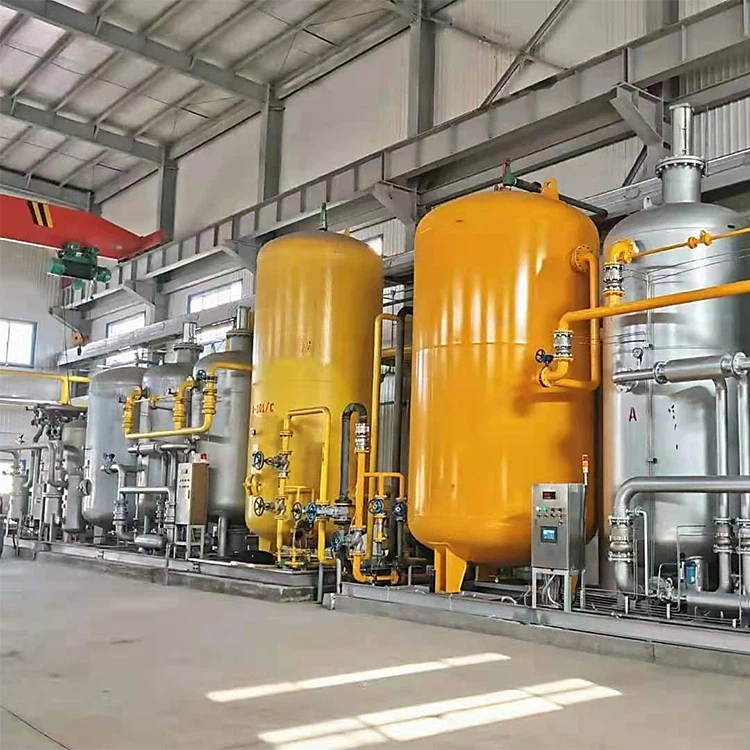

Compared to these methods, VPSA Oxygen Generators offer a more cost - effective and flexible solution for many industrial combustion processes.
Conclusion
In conclusion, VPSA Oxygen Generators can be effectively used in industrial combustion processes. They can provide a reliable and cost - effective source of oxygen, with a suitable purity level for efficient combustion. While there are some practical considerations to be addressed, the benefits of using a VPSA system in terms of cost, flexibility, and environmental impact make it a viable option for many industries.
If you're considering using a VPSA Oxygen Generator for your industrial combustion process, I encourage you to contact us for more information. Our team of experts can help you determine the most suitable system for your specific needs and guide you through the installation and operation process.
References
- Perry, R. H., & Green, D. W. (1997). Perry's Chemical Engineers' Handbook. McGraw - Hill.
- Kohl, A. L., & Nielsen, R. B. (1997). Gas Purification. Gulf Publishing Company.