

Hey there, fellow fish farmers and aquaculture enthusiasts! Today, I’m super pumped to chat with you about a game - changer in the world of fish farming: the VPSA Oxygen Generator. As a supplier of these amazing machines, I've seen firsthand how they can revolutionize the way you run your fish farm. So, let's dive right in and find out if a VPSA Oxygen Generator can be used in a fish farm.
First off, let's understand the basics. Fish, like all living creatures, need oxygen to survive. In a natural environment, fish get their oxygen from the water, which absorbs oxygen from the air. But in a fish farm, the situation is a bit different. With a high density of fish in a confined space, the natural oxygen supply in the water can quickly become depleted. This is where an oxygen generator comes in.
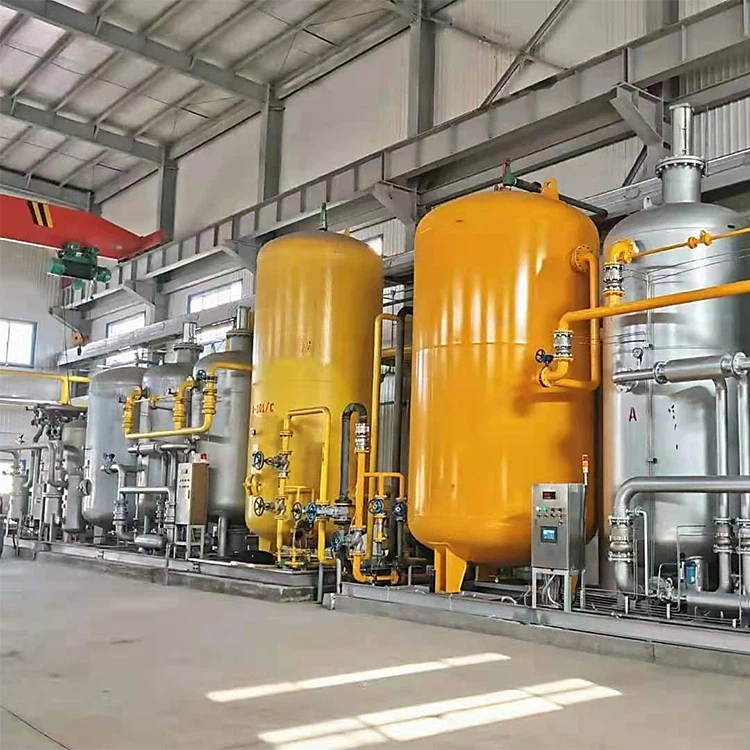
A VPSA (Vacuum Pressure Swing Adsorption) Oxygen Generator is a piece of equipment that separates oxygen from the air. It uses a process called pressure swing adsorption, which involves passing air through a material that selectively adsorbs nitrogen. This leaves behind a stream of relatively pure oxygen, which can then be delivered to the fish ponds or tanks.
So, can you use a VPSA Oxygen Generator in a fish farm? The short answer is yes, and here's why.
Benefits of Using a VPSA Oxygen Generator in a Fish Farm
1. Ensuring Adequate Oxygen Supply
One of the most crucial aspects of fish farming is maintaining the right oxygen levels in the water. Fish need a consistent supply of oxygen to breathe, and if the oxygen level drops too low, they can become stressed, sick, or even die. A VPSA Oxygen Generator can continuously produce oxygen, ensuring that the water in your fish ponds or tanks always has an adequate oxygen level. This is especially important during hot summer months when the oxygen solubility in water decreases, or during the night when photosynthesis stops, and plants in the water start consuming oxygen.
2. Improving Fish Growth and Health
When fish have access to sufficient oxygen, they can grow faster and healthier. Oxygen is essential for many biological processes in fish, including metabolism. With more oxygen available, fish can digest their food more efficiently, which means they can convert food into body mass more effectively. This not only leads to faster growth but also results in healthier fish with better immune systems, reducing the risk of diseases and mortality rates.
3. Increasing Stocking Density
If you're looking to maximize your fish farm's productivity, increasing the stocking density is one way to go. However, higher stocking densities mean more fish competing for the same amount of oxygen. A VPSA Oxygen Generator can provide the extra oxygen needed to support a higher density of fish in your ponds or tanks. This allows you to increase your production capacity without sacrificing the health and well - being of your fish.

4. Cost - effectiveness
Compared to other methods of oxygen supply, such as using liquid oxygen or compressed oxygen cylinders, a VPSA Oxygen Generator is a more cost - effective solution in the long run. Once you've purchased and installed the generator, the only ongoing costs are the electricity to run it and occasional maintenance. You don't have to worry about the cost of constantly refilling oxygen cylinders or the logistics of transporting liquid oxygen, which can be both expensive and time - consuming.
Now, you might be wondering how a VPSA Oxygen Generator compares to other types of oxygen generators, like a PSA Nitrogen Generator. While a PSA Nitrogen Generator is designed to produce nitrogen by separating it from the air, a VPSA Oxygen Generator focuses on producing oxygen. In a fish farm setting, the oxygen generator is the clear winner because, well, fish need oxygen to survive!
Considerations When Using a VPSA Oxygen Generator in a Fish Farm
1. Size and Capacity
When choosing a VPSA Oxygen Generator for your fish farm, it's important to consider the size and capacity of the generator. You need to make sure that the generator can produce enough oxygen to meet the needs of your fish. Factors to consider include the size of your ponds or tanks, the number of fish you're raising, and the water temperature. A larger fish farm with a high stocking density will obviously require a more powerful generator.
2. Installation and Maintenance
Proper installation and maintenance are key to getting the most out of your VPSA Oxygen Generator. The generator should be installed in a well - ventilated area away from any sources of heat or moisture. Regular maintenance, including filter changes and inspections, is also necessary to ensure that the generator is working efficiently. Most manufacturers provide detailed installation and maintenance instructions, and some even offer after - sales support.
3. Safety
Safety is always a top priority when using any type of equipment. Make sure to follow all safety guidelines provided by the manufacturer when operating the VPSA Oxygen Generator. This includes proper grounding, using the correct electrical connections, and keeping the generator away from flammable materials.
In conclusion, a VPSA Oxygen Generator is an excellent choice for fish farms. It offers a reliable, cost - effective way to ensure that your fish have access to the oxygen they need to thrive. Whether you're a small - scale fish farmer or running a large commercial operation, a VPSA Oxygen Generator can help you improve your production, increase your profits, and take your fish farming business to the next level.
If you're interested in learning more about our VPSA Oxygen Generators or are thinking about purchasing one for your fish farm, don't hesitate to reach out. We're here to answer any questions you might have and help you find the perfect solution for your needs. Let's work together to make your fish farming operation a success!
References
- "Aquaculture Engineering" by Craig S. Tucker and Jerry A. Hargreaves
- Various industry reports on fish farming and oxygen supply systems.