

In the realm of medical care, the reliable supply of oxygen is of paramount importance. One technology that has revolutionized the way medical facilities obtain oxygen is the VPSA Oxygen Generator. As a supplier of VPSA Oxygen Generators, I am excited to delve into how these remarkable devices work in a medical setting.
Understanding the Basics of VPSA Technology
VPSA stands for Vacuum Pressure Swing Adsorption. This technology is a variation of the more well - known Pressure Swing Adsorption (PSA) process. At its core, VPSA technology relies on the principle of selective adsorption. Adsorption is the process by which molecules in a gas are attracted to and held on the surface of a solid material, known as an adsorbent.
In the case of a VPSA Oxygen Generator, the adsorbent used is typically zeolite. Zeolite has a unique crystalline structure with tiny pores that can trap nitrogen molecules while allowing oxygen molecules to pass through. This selective adsorption is the key to separating oxygen from the other components of air, which is approximately 78% nitrogen, 21% oxygen, and 1% other gases.
The Working Process of a VPSA Oxygen Generator
The operation of a VPSA Oxygen Generator can be broken down into several distinct stages:
Air Intake and Filtration
The process begins with the intake of ambient air. The air is drawn into the generator through an intake system. Before it enters the main adsorption chambers, it passes through a series of filters. These filters are designed to remove dust, dirt, and other particulate matter from the air. This is crucial in a medical setting as any contaminants in the oxygen supply could pose a risk to patients.
Compression and Cooling
After filtration, the air is compressed. Compression increases the pressure of the air, which is necessary for the adsorption process. Once compressed, the air is cooled. Cooling helps to remove the heat generated during compression and also reduces the volume of the air, making it more suitable for the subsequent adsorption step.
Adsorption Phase
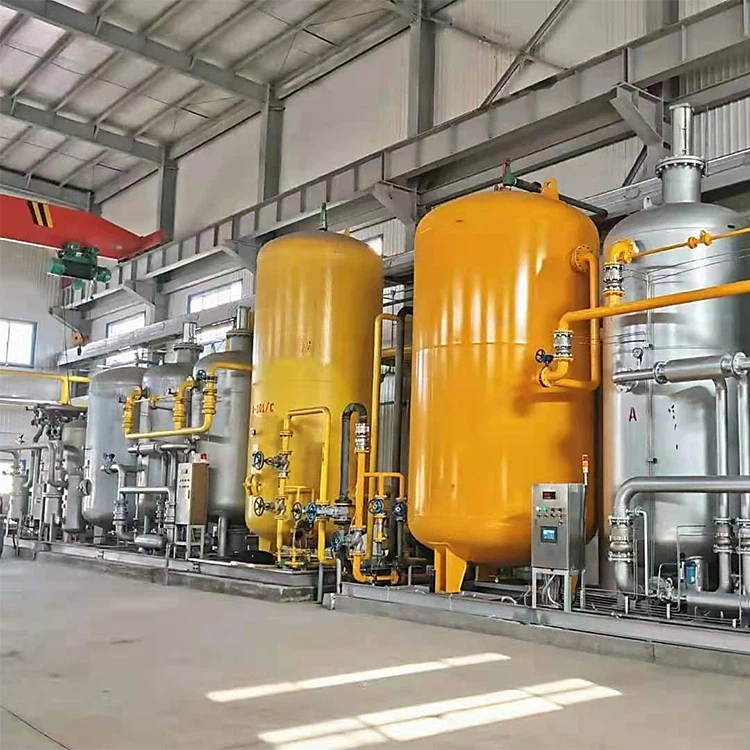
The compressed and cooled air then enters the adsorption chambers, which are filled with zeolite. At high pressure, the zeolite adsorbs nitrogen from the air, allowing oxygen to pass through. As the air flows through the zeolite bed, the nitrogen molecules are trapped in the pores of the zeolite, while the oxygen - rich gas exits the chamber. This oxygen - rich gas is then collected and can be further processed or directly used in the medical facility.
Desorption Phase
Over time, the zeolite in the adsorption chamber becomes saturated with nitrogen. To regenerate the zeolite and make it ready for another adsorption cycle, a desorption phase is initiated. In the VPSA process, this is achieved by reducing the pressure in the chamber to near - vacuum conditions. Under these low - pressure conditions, the nitrogen molecules are released from the zeolite pores and are vented out of the system. This restores the zeolite's ability to adsorb nitrogen in the next cycle.
Oxygen Storage and Delivery
The oxygen produced by the VPSA Oxygen Generator is typically stored in a buffer tank. This tank ensures a continuous supply of oxygen, even during the desorption phase when the generator is not actively producing oxygen. From the buffer tank, the oxygen can be delivered to various parts of the medical facility through a distribution system. The distribution system may include pipes, valves, and regulators to control the flow and pressure of the oxygen as it reaches the patients.
Advantages of VPSA Oxygen Generators in a Medical Setting
There are several reasons why VPSA Oxygen Generators are well - suited for medical applications:
Cost - effectiveness
Compared to traditional methods of obtaining oxygen, such as purchasing oxygen cylinders, VPSA Oxygen Generators can be more cost - effective in the long run. Once installed, they can produce oxygen on - site, eliminating the need for frequent cylinder deliveries and the associated costs.
Reliability
VPSA Oxygen Generators provide a reliable source of oxygen. They can operate continuously, ensuring a steady supply of oxygen to patients. This is especially important in critical care situations where a constant supply of oxygen is essential.
Purity
The oxygen produced by VPSA Oxygen Generators is of high purity. The selective adsorption process effectively removes nitrogen and other impurities from the air, resulting in oxygen that meets the strict purity standards required for medical use.

Safety
On - site oxygen generation reduces the risks associated with storing and handling large quantities of oxygen cylinders. With a VPSA Oxygen Generator, there is no need to store potentially hazardous cylinders in the medical facility, which enhances overall safety.
Comparison with PSA Nitrogen Generator
While we are focused on VPSA Oxygen Generators, it's worth briefly comparing them with PSA Nitrogen Generators. A PSA Nitrogen Generator operates on a similar principle of pressure swing adsorption. However, instead of producing oxygen, it separates nitrogen from air. The adsorbent used in a PSA Nitrogen Generator is also different, typically carbon molecular sieve.
In a medical setting, the focus is on oxygen generation, but in some cases, nitrogen may also be required for certain medical equipment or processes. For example, nitrogen can be used in some types of anesthesia machines. If a medical facility has a need for both oxygen and nitrogen, it may consider installing both a VPSA Oxygen Generator and a PSA Nitrogen Generator.
Maintenance and Monitoring
To ensure the proper functioning of a VPSA Oxygen Generator in a medical setting, regular maintenance and monitoring are essential. Maintenance tasks may include replacing filters, checking the integrity of the adsorption chambers, and calibrating sensors.
Monitoring systems are also installed to continuously measure the purity and flow rate of the oxygen produced. These systems can detect any abnormalities in the operation of the generator and alert the medical staff or maintenance personnel. This proactive approach helps to prevent any disruptions in the oxygen supply and ensures the safety of patients.
Conclusion
In conclusion, VPSA Oxygen Generators play a vital role in medical settings by providing a reliable, cost - effective, and safe source of high - purity oxygen. The technology behind these generators, based on vacuum pressure swing adsorption, is a sophisticated yet efficient way to separate oxygen from air.
If you are a medical facility looking for a reliable oxygen supply solution, I encourage you to consider our VPSA Oxygen Generators. Our team of experts can provide you with detailed information about our products, including installation, maintenance, and technical support. We are committed to helping you meet your oxygen needs and ensuring the well - being of your patients. Contact us today to start a discussion about your specific requirements and how our VPSA Oxygen Generators can benefit your medical facility.
References
- "Principles of Pressure Swing Adsorption" by Douglas M. Ruthven, Sunggyu Lee, and Kaamran Knaebel.
- "Medical Gas Systems: Design, Installation, and Maintenance" by the American Society of Heating, Refrigerating and Air - Conditioning Engineers (ASHRAE).