

As a supplier of PSA Nitrogen Generators, I understand the crucial role these machines play in various industries. A well - maintained compressor is the heart of a PSA Nitrogen Generator, ensuring its efficient and reliable operation. In this blog, I'll share some essential tips on how to maintain the compressor in a PSA Nitrogen Generator.
Understanding the Compressor in a PSA Nitrogen Generator
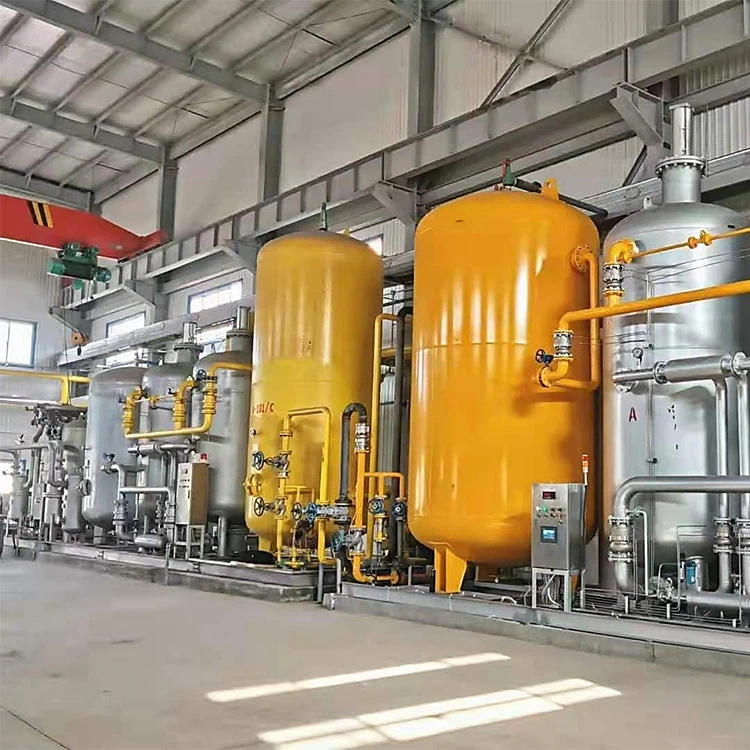
Before delving into maintenance, it's important to understand the compressor's function in a PSA Nitrogen Generator. The compressor is responsible for compressing the incoming air to a certain pressure. This compressed air is then fed into the adsorption towers of the PSA Nitrogen Generator, where oxygen and other impurities are adsorbed, leaving behind high - purity nitrogen. A properly functioning compressor is essential for maintaining the pressure and flow rate required for the adsorption process.
Regular Inspection
Regular inspection is the first step in compressor maintenance. You should conduct visual inspections at least once a week. Check for any signs of wear and tear, such as loose belts, frayed wires, or leaks. Inspect the compressor's housing for any cracks or damage that could lead to air leakage.
The compressor's filters also need regular inspection. The air intake filter prevents dust and debris from entering the compressor. A clogged filter can restrict air flow, reducing the compressor's efficiency and potentially causing overheating. Replace the air intake filter every 3 - 6 months, depending on the operating environment. If the generator is operating in a dusty or dirty environment, more frequent filter replacements may be necessary.
Another important component to inspect is the compressor oil. Check the oil level regularly, at least once a month. Low oil levels can cause excessive friction and heat, leading to premature wear of the compressor's moving parts. Also, look for signs of oil contamination, such as a milky appearance or the presence of debris. If the oil is contaminated, it should be changed immediately.
Lubrication
Proper lubrication is vital for the smooth operation of the compressor. The compressor's moving parts, such as pistons, bearings, and crankshafts, require lubrication to reduce friction and wear. Use the lubricant recommended by the compressor manufacturer. Different compressors may require different types of lubricants, so it's important to follow the manufacturer's guidelines.
Change the compressor oil at regular intervals. Most manufacturers recommend changing the oil every 500 - 2000 operating hours, depending on the type of compressor and the operating conditions. When changing the oil, also replace the oil filter. This helps to remove any contaminants that may have accumulated in the oil.
Cooling System Maintenance
The compressor generates a significant amount of heat during operation. A proper cooling system is essential to prevent overheating, which can damage the compressor and reduce its lifespan.
If the compressor has an air - cooled system, make sure the cooling fins are clean and free of debris. Blocked cooling fins can reduce the cooling efficiency, causing the compressor to overheat. Use a soft brush or compressed air to clean the cooling fins regularly.
For water - cooled compressors, check the water flow rate and temperature regularly. Ensure that the cooling water is clean and free of contaminants. Scale and sediment buildup in the water - cooling system can reduce the heat transfer efficiency. Use a water treatment system to prevent scale formation and clean the cooling water channels periodically.
Pressure and Temperature Monitoring
Monitoring the compressor's pressure and temperature is crucial for detecting potential problems early. Install pressure and temperature sensors on the compressor and regularly check the readings.
The pressure in the compressor should be within the specified range. Abnormal pressure readings can indicate problems such as a blocked filter, a leak in the system, or a malfunctioning valve. If the pressure is too high or too low, stop the compressor immediately and investigate the cause.
Similarly, monitor the compressor's temperature. Overheating can be caused by a variety of factors, including a malfunctioning cooling system, low oil levels, or excessive load. If the temperature exceeds the recommended limit, shut down the compressor and allow it to cool before investigating the issue.
Valve Maintenance
The valves in the compressor play a crucial role in controlling the flow of air and oil. Check the valves regularly for proper operation. Look for signs of wear, such as leakage or improper sealing. If a valve is not functioning properly, it can affect the compressor's efficiency and performance.
Clean the valves periodically to remove any dirt or debris that may have accumulated. In some cases, the valves may need to be adjusted or replaced. Follow the manufacturer's instructions when performing valve maintenance.
Electrical System Maintenance
The electrical system of the compressor is also an important part of the maintenance process. Check the electrical connections regularly for tightness and signs of corrosion. Loose connections can cause electrical arcing, which can damage the electrical components and pose a safety hazard.
Inspect the electrical cables for any signs of damage, such as cuts or frays. Replace any damaged cables immediately. Also, test the electrical controls, such as switches and relays, to ensure they are functioning properly.

Troubleshooting
Even with regular maintenance, problems may still occur. Here are some common compressor problems and their possible solutions:
Compressor not starting: Check the power supply, fuses, and circuit breakers. Make sure the compressor is properly grounded. If the problem persists, it may be a malfunction in the electrical control system.
Excessive noise: Excessive noise can be caused by loose parts, worn bearings, or improper lubrication. Check for loose bolts and nuts and tighten them if necessary. If the noise is due to worn bearings, they should be replaced.
Low air output: A low air output can be caused by a clogged filter, a leak in the system, or a malfunctioning valve. Check the air intake filter and replace it if necessary. Look for signs of air leakage and repair any leaks. Inspect the valves for proper operation.
Conclusion
Maintaining the compressor in a PSA Nitrogen Generator is essential for its efficient and reliable operation. By following these maintenance tips, you can extend the lifespan of the compressor, reduce downtime, and ensure the production of high - purity nitrogen.
If you are in the market for a PSA Nitrogen Generator or need more information on compressor maintenance, feel free to contact us. We also offer VPSA Oxygen Generator for your oxygen - generation needs. Our team of experts is ready to assist you with all your nitrogen and oxygen generation requirements.
References
- Compressor Manufacturer's Manuals
- Industry Standards for Compressor Maintenance
- Technical Papers on PSA Nitrogen Generator Operation