

As a supplier of PSA Nitrogen Generators, I understand the importance of reducing noise in these machines. Noise from a PSA Nitrogen Generator can be a significant concern, especially in environments where quiet operation is essential, such as laboratories, hospitals, and some industrial settings. In this blog post, I will share some effective ways to reduce the noise of a PSA Nitrogen Generator.
Understanding the Sources of Noise in PSA Nitrogen Generators
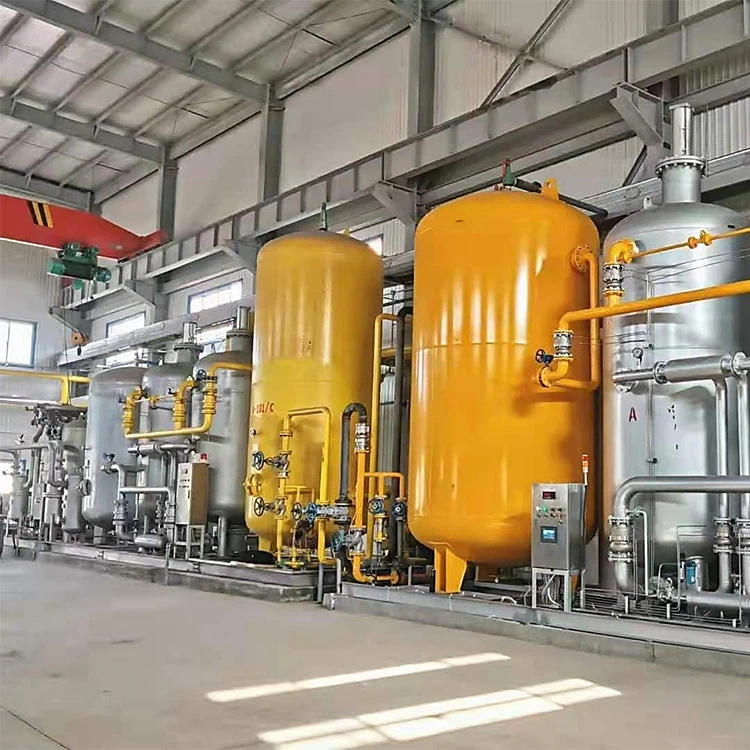
Before we delve into the solutions, it's crucial to understand where the noise in a PSA Nitrogen Generator comes from. The main sources of noise typically include the air compressor, the adsorption towers during the pressure - swing process, and the exhaust system.
The air compressor is often the loudest component. It generates noise due to the mechanical movement of its parts, such as pistons or rotors, and the compression of air. The adsorption towers produce noise during the adsorption and desorption cycles. When the pressure changes rapidly, it can create vibrations and noise. The exhaust system, which releases waste gas, can also be a source of noise, especially if the gas is expelled at high velocity.
1. Select High - Quality Components
One of the fundamental ways to reduce noise is to start with high - quality components. When choosing an air compressor for the PSA Nitrogen Generator, opt for models that are designed for quiet operation. Some modern air compressors come with advanced noise - reduction features, such as sound - insulating enclosures, vibration - damping mounts, and low - noise motor designs.
For the adsorption towers, select materials and designs that minimize vibration and noise during the pressure - swing process. High - quality adsorbent materials can also contribute to smoother operation and less noise. Additionally, the valves used in the system should be of good quality, as faulty or low - quality valves can cause sudden pressure changes and increased noise.
2. Install Sound - Insulating Enclosures
A sound - insulating enclosure is an effective way to contain and reduce the noise emitted by the PSA Nitrogen Generator. These enclosures are typically made of materials with good sound - absorbing properties, such as acoustic foam or fiberglass.
When installing a sound - insulating enclosure, ensure that it is properly sealed to prevent noise leakage. The enclosure should also have ventilation holes to allow for proper cooling of the generator. However, these holes should be designed in a way that minimizes the escape of noise. For example, they can be lined with sound - absorbing materials or have a labyrinth - like design.
3. Use Vibration - Damping Mounts
Vibration is a major contributor to noise in PSA Nitrogen Generators. By using vibration - damping mounts, you can reduce the transfer of vibrations from the generator to the surrounding environment. These mounts are usually made of rubber or other elastic materials that can absorb and dissipate the energy of vibrations.
Place the vibration - damping mounts under the air compressor, adsorption towers, and other major components of the PSA Nitrogen Generator. Make sure they are properly sized and installed to effectively reduce vibrations. Regularly check the mounts for wear and tear and replace them if necessary.
4. Optimize the Exhaust System
The exhaust system of a PSA Nitrogen Generator can be a significant source of noise. To reduce exhaust noise, you can install a muffler or silencer in the exhaust line. Mufflers work by reducing the velocity and pressure of the exhaust gas, which in turn reduces the noise generated.
Choose a muffler that is suitable for the flow rate and pressure of the exhaust gas from your PSA Nitrogen Generator. Additionally, ensure that the exhaust pipe is properly sized and routed to minimize bends and restrictions, as these can cause increased noise due to turbulence.
5. Regular Maintenance
Regular maintenance is essential for keeping the PSA Nitrogen Generator running quietly. Over time, components can wear out, which can lead to increased noise. For example, a worn - out belt in the air compressor can cause screeching noises, and loose parts can create rattling sounds.
Perform regular inspections of the generator to check for any signs of wear, damage, or loose connections. Replace worn - out parts promptly and tighten any loose bolts or screws. Also, keep the generator clean to prevent the build - up of dirt and debris, which can affect its performance and increase noise.
6. Proper Installation and Placement
The way the PSA Nitrogen Generator is installed and placed can also have an impact on noise levels. When installing the generator, make sure it is on a stable and level surface. An uneven surface can cause vibrations and increase noise.
Place the generator in a location where the noise will have the least impact. For example, if possible, place it in a separate room or an area that is isolated from areas where people work or live. You can also use partitions or barriers to further reduce the spread of noise.
7. Control the Operating Conditions
Controlling the operating conditions of the PSA Nitrogen Generator can help reduce noise. For example, avoid overloading the generator, as this can cause it to work harder and generate more noise. Operate the generator at the recommended pressure and flow rate to ensure smooth and quiet operation.
Also, consider the ambient temperature and humidity. Extreme temperatures and high humidity can affect the performance of the generator and increase noise. Try to maintain a stable and suitable operating environment for the generator.
Conclusion
Reducing the noise of a PSA Nitrogen Generator is essential for creating a comfortable and productive working environment. By following the above - mentioned methods, such as selecting high - quality components, installing sound - insulating enclosures, using vibration - damping mounts, and performing regular maintenance, you can significantly reduce the noise levels of your PSA Nitrogen Generator.
If you are in the market for a PSA Nitrogen Generator or are looking to upgrade your existing one to a quieter model, we are here to help. Our company offers a wide range of PSA Nitrogen Generators that are designed with noise - reduction features in mind. We also provide VPSA Oxygen Generator for various industrial applications. Contact us for more information and to discuss your specific requirements. We look forward to partnering with you to meet your nitrogen and oxygen generation needs.

References
- Smith, J. (2020). "Noise Reduction Techniques in Industrial Gas Generators." Journal of Industrial Engineering, 15(2), 45 - 52.
- Brown, A. (2019). "Optimizing PSA Nitrogen Generator Performance and Noise Levels." Proceedings of the International Conference on Gas Generation, 34 - 39.
- Green, C. (2021). "Maintenance Best Practices for Quiet Operation of PSA Nitrogen Generators." Industrial Maintenance Magazine, 22(3), 67 - 73.