

As a seasoned supplier in the gasification station industry, I understand the critical importance of having well - crafted emergency response plans. Gasification stations are complex facilities that handle various gases, and any unforeseen incident can have far - reaching consequences. In this blog, I'll delve into the key components of emergency response plans for a gasification station.
1. Risk Assessment
Before formulating an emergency response plan, a comprehensive risk assessment is essential. At our gasification stations, we assess potential hazards such as gas leaks, fires, explosions, and equipment failures. Different gases have different properties, and understanding these is crucial. For example, some gases are highly flammable, while others may be toxic or asphyxiating.
We analyze the layout of the gasification station, including the location of storage tanks, pipelines, and processing equipment. Areas near high - traffic zones or populated areas require special attention. By identifying potential risks, we can better prepare for emergencies and develop targeted response strategies.
2. Emergency Response Team
A well - trained emergency response team is the backbone of any effective emergency plan. Our team consists of personnel from various departments, including operations, maintenance, and safety. Each member has clearly defined roles and responsibilities.
The team undergoes regular training sessions that simulate different emergency scenarios. These training programs cover topics such as first aid, fire - fighting techniques, gas leak detection, and evacuation procedures. We also conduct drills at least once a quarter to ensure that the team can respond quickly and efficiently in a real - life situation.
3. Gas Leak Response
Gas leaks are one of the most common emergencies in a gasification station. When a gas leak is detected, the first step is to activate the emergency alarm system. This alerts all personnel in the station and initiates the response process.
Our emergency response team immediately moves to isolate the source of the leak. They use specialized equipment such as Pressure Reduction & Metering Skid to shut off the flow of gas and reduce the pressure in the affected area. At the same time, they deploy gas detectors to determine the extent and concentration of the leak.
If the gas is flammable, the team takes extra precautions to prevent ignition sources. They may use non - sparking tools and ensure that all electrical equipment in the area is turned off. Ventilation systems are also activated to disperse the gas and reduce the risk of explosion.
4. Fire and Explosion Response
Fires and explosions pose a significant threat to gasification stations. In the event of a fire, the emergency response team first tries to extinguish the fire using appropriate fire - fighting equipment, such as fire extinguishers and sprinkler systems. However, if the fire is out of control, the team focuses on containing it and protecting nearby equipment and facilities.
We have a detailed fire - fighting plan that takes into account the type of gas involved. Different gases require different fire - fighting agents. For example, for fires involving flammable gases, dry chemical extinguishers or foam may be used. The team also coordinates with local fire departments to ensure a rapid and effective response.
To prevent explosions, we have installed explosion - proof equipment throughout the gasification station. Pressure relief valves are also in place to release excess pressure in case of a potential explosion. In addition, our Pressure Regulation Skid helps maintain stable pressure levels, reducing the risk of over - pressurization.
5. Evacuation Procedures
Evacuation is a critical part of the emergency response plan. In case of a major emergency, such as a large - scale gas leak or explosion, all personnel in the gasification station must be evacuated safely.
We have clearly marked evacuation routes and assembly points. These routes are designed to avoid areas that are most likely to be affected by the emergency. Regular evacuation drills are conducted to ensure that all personnel are familiar with the procedures.
During an evacuation, the emergency response team is responsible for guiding personnel to the assembly points. They also conduct headcounts to ensure that all employees are accounted for. Once at the assembly point, the team provides first aid to any injured personnel and coordinates with emergency medical services if necessary.
6. Communication Plan
Effective communication is vital during an emergency. We have a communication plan that ensures timely and accurate information is shared among all stakeholders.
Internally, we use a combination of alarm systems, public address systems, and mobile communication devices to keep all personnel informed. The emergency response team also maintains constant communication with each other to coordinate their actions.
Externally, we establish communication channels with local authorities, emergency services, and neighboring communities. In case of an emergency, we notify these parties immediately and provide them with relevant information such as the type of gas involved, the extent of the incident, and any potential risks.
7. Post - Emergency Recovery
After an emergency, the gasification station must undergo a thorough recovery process. This includes assessing the damage to equipment and facilities, conducting safety inspections, and restoring normal operations.
Our maintenance team is responsible for inspecting and repairing any damaged equipment. They work closely with the emergency response team to ensure that all safety measures are in place before restarting the gasification station.
We also conduct a post - incident review to evaluate the effectiveness of the emergency response plan. This review helps us identify areas for improvement and make necessary adjustments to the plan.

8. Supplier - Customer Collaboration
As a gasification station supplier, we work closely with our customers to develop and implement effective emergency response plans. We provide them with detailed information about the equipment we supply, including its safety features and maintenance requirements.
We also offer training programs for our customers' personnel. These programs are tailored to the specific needs of each gasification station and cover topics such as emergency response procedures, equipment operation, and safety protocols.
By collaborating with our customers, we can ensure that their gasification stations are well - prepared to handle any emergency situation.
Conclusion
In conclusion, having a comprehensive emergency response plan is essential for the safe and efficient operation of a gasification station. Our experience as a supplier has taught us that a well - prepared emergency response can minimize the impact of an incident and protect the lives and property of all stakeholders.
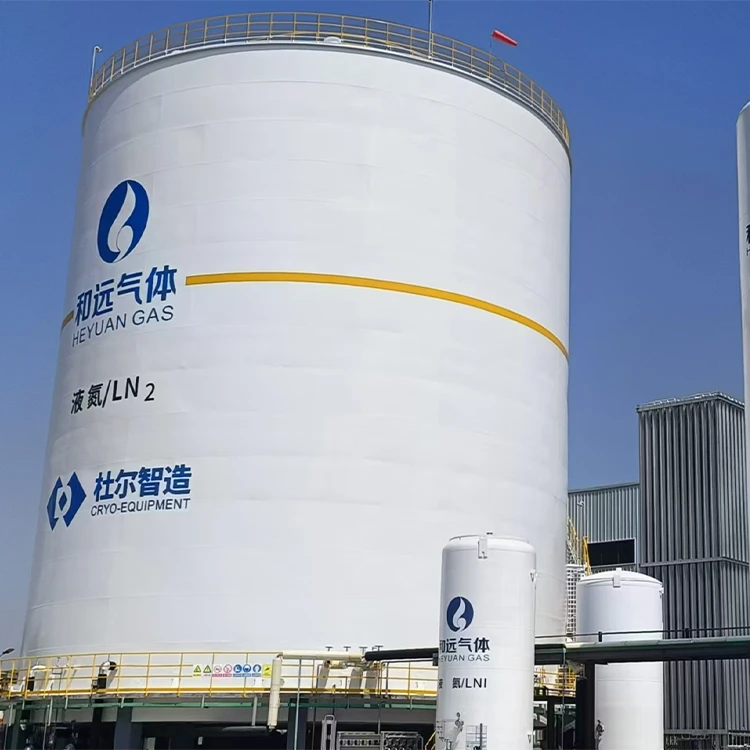
If you are in the market for a gasification station or need to improve your existing emergency response plan, we are here to help. Our team of experts can provide you with customized solutions that meet your specific needs. Whether you are looking for a Liquid Nitrogen Gas Supply Station or advanced pressure regulation equipment, we have the expertise and products to support you. Contact us today to start a discussion about your gasification station requirements and how we can work together to ensure the safety and reliability of your operations.
References
- "Safety Standards for Gasification Stations", International Gas Association
- "Emergency Response Planning in Industrial Facilities", National Fire Protection Association
- "Gas Handling and Safety Guidelines", Occupational Safety and Health Administration