

As a trusted supplier of PSA Nitrogen Generators, I understand the paramount importance of safety when operating these sophisticated machines. PSA (Pressure Swing Adsorption) Nitrogen Generators are widely used across various industries to produce high - purity nitrogen gas on - site, which offers numerous benefits such as cost - effectiveness and convenience. However, like any industrial equipment, they come with potential hazards that need to be carefully managed. In this blog, I will discuss the key safety precautions that should be taken when using a PSA Nitrogen Generator.
Pre - installation Safety Precautions
Before installing a PSA Nitrogen Generator, a thorough site assessment is crucial. The location should be well - ventilated to prevent the accumulation of nitrogen gas. Nitrogen is an inert gas, and in high concentrations, it can displace oxygen in the air, leading to asphyxiation. A well - ventilated area ensures that any leaked nitrogen can be quickly dispersed.
The floor where the generator will be installed must be level and capable of supporting the weight of the equipment. Uneven floors can cause the generator to vibrate excessively during operation, which may not only damage the machine but also pose a safety risk. Additionally, the installation site should be free from any potential sources of ignition, as nitrogen generators may have electrical components that could spark under certain conditions.
It is also essential to check the quality of the incoming air supply. The air should be clean and dry, as contaminants such as dust, oil, and moisture can damage the adsorbent material inside the generator. This may reduce the efficiency of the nitrogen generation process and even lead to malfunctions. Installing appropriate air filters and dryers upstream of the PSA Nitrogen Generator can help ensure the quality of the air supply.
Operator Training
Proper operator training is one of the most critical safety precautions. Operators should be thoroughly trained on the operation, maintenance, and safety features of the PSA Nitrogen Generator. They should understand how to start and stop the generator safely, monitor its performance, and respond to any alarms or malfunctions.
Training should cover the correct use of personal protective equipment (PPE). Operators should wear appropriate clothing, safety glasses, and gloves when working around the generator. In some cases, respiratory protection may also be required, especially in areas where there is a risk of nitrogen leakage.
Regular refresher courses should be provided to operators to keep their knowledge and skills up - to - date. This helps ensure that they can handle any unexpected situations that may arise during the operation of the generator.
Operation Safety
During the operation of the PSA Nitrogen Generator, continuous monitoring is essential. Operators should regularly check the pressure, temperature, and flow rate of the nitrogen gas being produced. Any abnormal readings could indicate a problem with the generator, such as a leak or a malfunction in the adsorption process.
It is important to follow the manufacturer's recommended operating parameters. Over - pressurizing or over - heating the generator can cause damage to the equipment and increase the risk of safety incidents. For example, if the pressure inside the generator exceeds the specified limit, it may lead to a rupture of the pressure vessels.
Operators should also be aware of the potential for static electricity. Nitrogen gas flowing through pipes can generate static charges, which may cause sparks. To prevent this, proper grounding of the equipment and pipes is necessary. Anti - static materials can also be used in the construction of the generator and its associated components.
Maintenance and Inspection
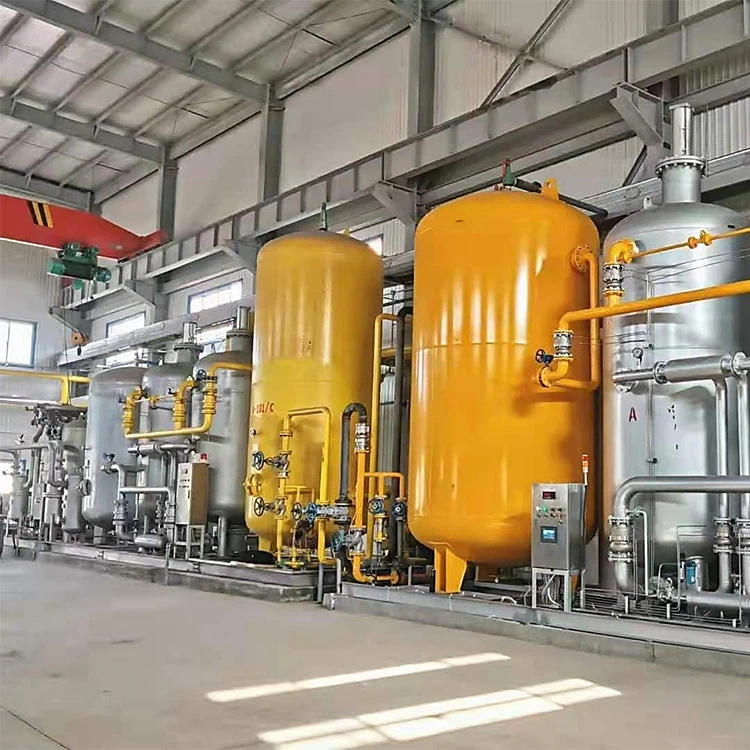
Regular maintenance and inspection are vital for the safe operation of a PSA Nitrogen Generator. The adsorbent material inside the generator needs to be replaced periodically according to the manufacturer's guidelines. Over time, the adsorbent can become saturated with contaminants, reducing its ability to separate nitrogen from other gases.
All valves, pipes, and fittings should be inspected regularly for leaks. A simple soap - bubble test can be used to detect small leaks. Any damaged or worn - out components should be replaced immediately to prevent further leakage and potential safety hazards.
The electrical components of the generator, such as motors and control panels, should also be inspected regularly. Loose connections, frayed wires, or overheating components can pose a fire or electrical shock risk.

Emergency Response
An emergency response plan should be in place for the PSA Nitrogen Generator. This plan should outline the steps to be taken in case of a fire, explosion, or nitrogen leakage. All operators should be familiar with the emergency response plan and know how to access emergency equipment such as fire extinguishers and emergency exits.
In the event of a nitrogen leakage, the area should be evacuated immediately. Since nitrogen is odorless and colorless, it can be difficult to detect without proper monitoring equipment. Therefore, it is important to have nitrogen detectors installed in the vicinity of the generator to provide early warning of any leaks.
Additional Safety Considerations
In addition to the above - mentioned safety precautions, it is also important to consider the interaction of the PSA Nitrogen Generator with other equipment in the facility. For example, if the generator is used in conjunction with other gas - handling equipment, proper isolation and ventilation measures should be in place to prevent cross - contamination.
When transporting or storing the PSA Nitrogen Generator, it should be handled with care. The generator should be properly secured to prevent damage during transit. During storage, it should be stored in a dry and protected area to prevent corrosion and damage to its components.
As a PSA Nitrogen Generator supplier, I am committed to providing high - quality equipment and comprehensive safety information to our customers. Our PSA Nitrogen Generator is designed with multiple safety features to ensure reliable and safe operation. We also offer VPSA Oxygen Generator for customers who have different gas generation needs.
If you are interested in our PSA Nitrogen Generators or have any questions about their safety and operation, please feel free to contact us for further discussion and procurement negotiation. We are always ready to assist you in finding the most suitable gas generation solution for your business.
References
- Industrial Gas Safety Handbook.
- Manufacturer's Manuals for PSA Nitrogen Generators.
- Occupational Safety and Health Administration (OSHA) Guidelines for Industrial Equipment Operation.