

As a supplier of cylinder filling stations, I understand the paramount importance of security features in these facilities. Cylinder filling stations deal with various types of gases, including flammable, toxic, and high - pressure substances. Ensuring the safety of the station, its operators, and the surrounding environment is not only a legal requirement but also a moral obligation. In this blog, I will discuss the key security features of a cylinder filling station.
1. Structural and Physical Security
Building Design
The building housing the cylinder filling station is designed with safety in mind. It should be constructed with fire - resistant materials to prevent the spread of fire in case of an incident. The layout of the station is carefully planned to separate different areas, such as the filling area, storage area, and administrative area. This separation helps to contain any potential hazards and prevent them from affecting other parts of the station.
For example, the filling area is often equipped with a ventilation system that can quickly remove any leaked gases. The storage area, on the other hand, is designed to store cylinders in an orderly manner, with proper racking and restraints to prevent cylinders from falling or being damaged.

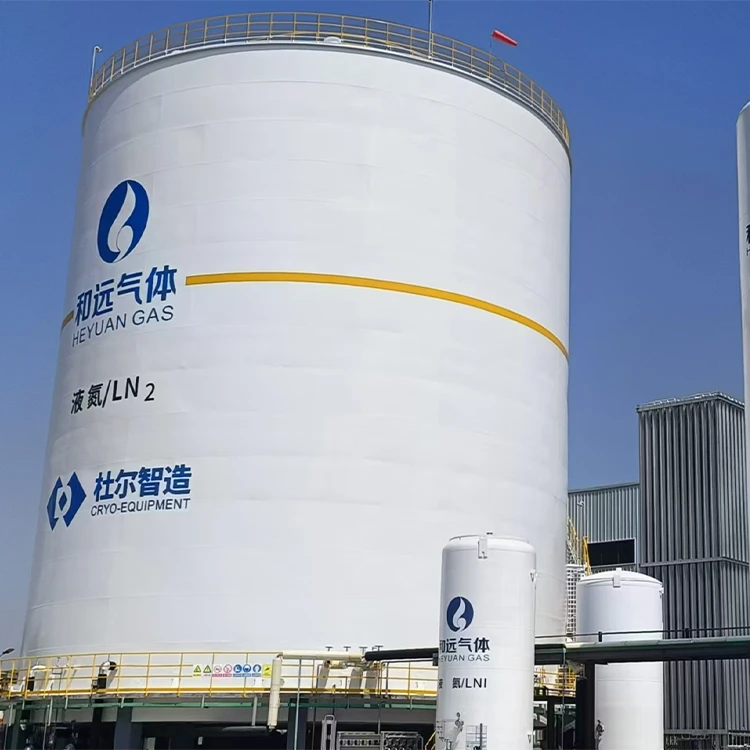
Perimeter Security
A cylinder filling station should have a well - defined perimeter security system. This may include fences, gates, and security cameras. Fences and gates help to control access to the station, ensuring that only authorized personnel can enter. Security cameras are strategically placed around the station to monitor activities 24/7. They can detect any unauthorized access, suspicious behavior, or potential safety hazards.
2. Gas Leak Detection and Monitoring
Gas Sensors
Gas sensors are one of the most critical security features in a cylinder filling station. These sensors are installed throughout the station, especially in areas where gas leaks are most likely to occur, such as the filling area and storage area. They can detect the presence of various gases, including oxygen, nitrogen, hydrogen, and carbon monoxide.
When a gas leak is detected, the sensors trigger an alarm system. This alarm can be audible, visual, or both, alerting operators to the potential danger. In some cases, the alarm system can also be connected to a central monitoring station, where security personnel can take immediate action.
Continuous Monitoring
In addition to gas sensors, continuous monitoring of gas levels is essential. This can be done through automated systems that record gas concentrations over time. By analyzing this data, operators can identify trends and potential problems before they become serious. For example, a gradual increase in gas concentration may indicate a slow leak, which can be addressed before it leads to a more significant incident.
3. Fire Protection Systems
Fire Suppression Systems
A cylinder filling station is at risk of fire due to the presence of flammable gases. Therefore, fire suppression systems are a must. These systems can include sprinklers, foam systems, and dry chemical extinguishers.
Sprinklers are often installed in the filling area and storage area. They can quickly extinguish a fire by releasing water when the temperature rises above a certain level. Foam systems are particularly effective for suppressing fires involving flammable liquids and gases. Dry chemical extinguishers are portable and can be used by operators to quickly put out small fires.
Fire Detection Systems
Fire detection systems are also crucial. These systems can include smoke detectors, heat detectors, and flame detectors. Smoke detectors can detect the presence of smoke, which is often an early sign of a fire. Heat detectors can sense an increase in temperature, while flame detectors can detect the presence of flames. When a fire is detected, the detection system triggers an alarm, allowing operators to evacuate the area and activate the fire suppression systems.
4. Electrical Safety
Electrical Equipment Design
All electrical equipment in a cylinder filling station must be designed to meet strict safety standards. This includes motors, switches, and lighting fixtures. Electrical equipment should be explosion - proof to prevent sparks from igniting flammable gases.
In addition, electrical systems should be properly grounded to prevent electrical shocks and short circuits. Regular inspections and maintenance of electrical equipment are also necessary to ensure its safe operation.
Electrical Monitoring
Continuous monitoring of electrical systems is important to detect any potential problems. This can be done through the use of electrical monitoring devices that measure parameters such as voltage, current, and temperature. Any abnormal readings can indicate a problem with the electrical system, which can be addressed before it causes a safety hazard.
5. Operator Training and Safety Procedures
Training Programs
Proper training of operators is essential for the safety of a cylinder filling station. Operators should receive comprehensive training on the operation of the filling equipment, safety procedures, and emergency response. This training should be ongoing, with regular refresher courses to ensure that operators are up - to - date with the latest safety standards and procedures.
Safety Procedures
A cylinder filling station should have well - defined safety procedures. These procedures cover all aspects of the station's operation, from cylinder handling to emergency response. For example, operators should follow strict procedures when filling cylinders, including checking the cylinder's condition, ensuring proper connections, and following the correct filling sequence.
In case of an emergency, such as a gas leak or fire, operators should know exactly what to do. This may include evacuating the area, shutting off gas supplies, and activating the emergency response systems.
6. Cylinder Inspection and Maintenance
Cylinder Inspection
Before filling, cylinders should be thoroughly inspected to ensure their safety. This includes checking for any signs of damage, such as cracks, dents, or corrosion. Cylinders should also be tested for their pressure - holding capacity to ensure that they can safely contain the gas.
Maintenance
Regular maintenance of cylinders is also important. This may include periodic hydrostatic testing, valve replacement, and repainting. By maintaining cylinders in good condition, the risk of gas leaks and other safety hazards can be significantly reduced.
7. Emergency Response Planning
Emergency Plans
A cylinder filling station should have a detailed emergency response plan. This plan should outline the steps to be taken in case of various emergencies, such as gas leaks, fires, and explosions. It should also include contact information for emergency services, such as fire departments and hospitals.
Drills
Regular emergency drills should be conducted to ensure that operators are familiar with the emergency response plan. These drills can simulate different types of emergencies and test the effectiveness of the response procedures. By conducting drills, operators can improve their response time and coordination, which can save lives and reduce property damage in case of a real emergency.
Conclusion
In conclusion, a cylinder filling station requires a comprehensive set of security features to ensure its safe operation. From structural and physical security to emergency response planning, every aspect of the station's design and operation must be carefully considered. As a supplier of cylinder filling stations, we are committed to providing our customers with the highest level of security. We offer a range of Liquid Oxygen Station, LAr Cylinder Filling Station, and Liquid Nitrogen Gas Supply Station solutions that are designed with the latest safety technologies and standards.
If you are interested in purchasing a cylinder filling station or have any questions about our security features, please feel free to contact us for procurement discussions. We look forward to working with you to ensure the safety and efficiency of your gas filling operations.
References
- National Fire Protection Association (NFPA) standards for gas filling stations
- Occupational Safety and Health Administration (OSHA) regulations for hazardous materials handling
- International Organization for Standardization (ISO) standards related to cylinder safety and filling operations