

As a trusted supplier of cylinder filling stations, I've witnessed firsthand the critical importance of maintaining these facilities in top - notch condition. A malfunctioning cylinder filling station not only jeopardizes the safety of the operators but also affects the quality of the gas being filled and can lead to significant financial losses. In this blog, I'll share some of the tell - tale signs that your cylinder filling station might be malfunctioning.
Pressure Fluctuations
One of the most obvious signs of a problem at a cylinder filling station is abnormal pressure fluctuations. During the filling process, the pressure should increase steadily until the cylinder reaches the desired fill level. If you notice sudden spikes or drops in pressure, it could indicate a variety of issues.
For instance, a rapid pressure drop might suggest a leak in the system. Leaks can occur in pipes, valves, or connections, and they pose a serious safety risk as they can lead to the release of hazardous gases. On the other hand, a pressure spike could be a sign of a blockage in the filling line. This blockage can prevent the gas from flowing smoothly, causing an increase in pressure. If left unaddressed, it could lead to equipment damage or even an explosion.
Regularly monitoring pressure gauges is crucial. Implement a routine check - up schedule to ensure that pressure readings are within the normal range. If you observe any abnormal pressure changes, it's essential to shut down the filling process immediately and conduct a thorough inspection. You can find more information about our LAr Cylinder Filling Station which is designed with advanced pressure - monitoring systems to prevent such issues.
Unusual Noises
Unusual noises coming from the cylinder filling station are another red flag. A well - functioning filling station should operate relatively quietly. However, if you start hearing rattling, hissing, or banging sounds, it's time to investigate.
A hissing sound often indicates a gas leak. As the gas escapes from a small opening, it creates a distinct hissing noise. Even a small leak can be dangerous, especially if the gas is flammable or toxic. Rattling or banging noises could be due to loose components within the machinery. For example, a loose valve or a vibrating pipe can cause these noises. Over time, these loose parts can cause further damage to the equipment and may lead to a complete breakdown.
When you hear any unusual noises, stop the operation and try to locate the source. Inspect all visible components for signs of damage or looseness. If you're unsure about the cause of the noise, it's advisable to consult a professional technician. Our Liquid Nitrogen Gas Supply Station is engineered to operate quietly, and any deviation from normal operation can be easily detected, allowing for prompt action.
Gas Quality Issues
The quality of the gas being filled into the cylinders is a key indicator of the station's functionality. If the gas quality deteriorates, it can have serious consequences for the end - users.
One common gas quality issue is contamination. Contaminants can enter the gas stream through various means, such as dirty pipes, faulty filters, or improper maintenance. For example, if the air filters are not changed regularly, dust and other particles can accumulate and mix with the gas. This contaminated gas can cause problems in the equipment where it is used, such as reduced efficiency or even damage.
Another gas quality problem is incorrect gas composition. If the filling station is supposed to fill a specific gas mixture, but the actual composition deviates from the required specifications, it can be a sign of a malfunction. This could be due to issues with the gas storage tanks, flow meters, or mixing systems.
To ensure gas quality, implement a strict quality control program. Regularly test the gas samples taken from the filled cylinders. If you detect any gas quality issues, review the station's maintenance records and check all the components involved in the gas - handling process. Our Liquid Oxygen Station is equipped with advanced gas - purification and - monitoring systems to guarantee high - quality gas filling.
Slow Filling Times
If the cylinders are taking longer than usual to fill, it's a sign that something is amiss at the filling station. Slow filling times can be caused by several factors.
One possible cause is a clogged filter. Filters are used to remove impurities from the gas, but over time, they can become blocked with debris. This restricts the flow of gas, resulting in longer filling times. Another reason could be a malfunctioning compressor. The compressor is responsible for increasing the pressure of the gas so that it can be filled into the cylinders. If the compressor is not working efficiently, it will take longer to fill the cylinders.
Check the filters regularly and replace them as needed. Also, monitor the performance of the compressor, including its pressure output and temperature. If you suspect a compressor problem, have it inspected by a qualified technician. Slow filling times not only reduce productivity but can also increase operating costs.
Leakage from Seals and Gaskets
Seals and gaskets play a crucial role in preventing gas leakage at the cylinder filling station. Over time, these seals can wear out or become damaged, leading to leaks.
Inspect the seals and gaskets regularly for signs of wear, such as cracks, tears, or deformation. If you notice any leakage around the seals, it's important to replace them immediately. Using high - quality seals and gaskets can significantly reduce the risk of leakage. Our cylinder filling stations are designed with durable seals and gaskets to ensure long - term reliability.
Faulty Safety Devices
Safety devices are an integral part of any cylinder filling station. These devices, such as pressure relief valves and emergency shut - off switches, are designed to protect the operators and the equipment in case of an emergency.
If a pressure relief valve fails to open at the appropriate pressure, it can lead to a dangerous build - up of pressure. Similarly, if an emergency shut - off switch does not work properly, it can prevent the quick shutdown of the filling process in case of an accident.
Regularly test all safety devices to ensure they are in working order. Follow the manufacturer's recommended maintenance schedule for these devices. Faulty safety devices should be repaired or replaced immediately to maintain a safe working environment.
High Energy Consumption
An increase in energy consumption at the cylinder filling station can be a sign of a malfunction. Higher energy consumption can be due to inefficient equipment operation.

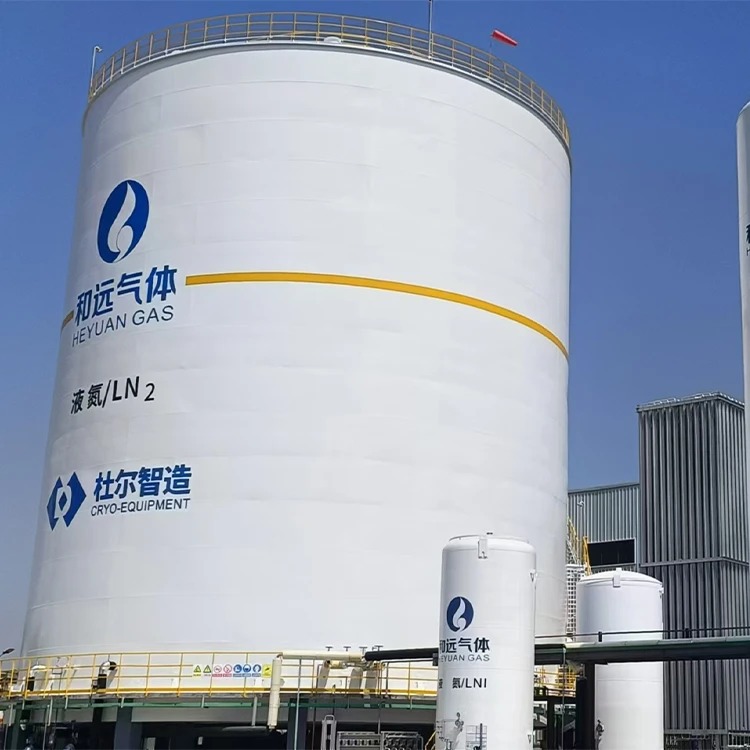
For example, a compressor that is not operating at its optimal efficiency will consume more energy to achieve the same pressure output. Leaks in the system can also cause the compressor to work harder, leading to increased energy usage.
Monitor the energy consumption of the filling station on a regular basis. Compare the current energy usage with historical data. If you notice a significant increase, conduct an energy audit to identify the source of the problem. Improving the energy efficiency of the filling station not only reduces operating costs but also has environmental benefits.
In conclusion, being aware of these signs of a malfunctioning cylinder filling station is essential for the safe and efficient operation of your facility. Regular maintenance, monitoring, and prompt action when issues are detected can prevent costly breakdowns and ensure the quality of the gas being filled. If you're facing any problems with your cylinder filling station or are looking to upgrade your existing facility, we're here to help. Contact us for a detailed consultation and let's discuss how our high - quality cylinder filling stations can meet your specific needs.
References
- Gas Filling Station Safety Guidelines, International Gas Association
- Maintenance Best Practices for Cylinder Filling Equipment, National Institute of Standards and Technology