

As a supplier of PSA Nitrogen Generators, I've witnessed firsthand the diverse factors that can significantly influence the performance of these essential industrial machines. In this blog, I'll delve into the key elements that determine how well a PSA Nitrogen Generator operates, offering insights that can help you optimize your equipment and make informed decisions when it comes to purchasing or maintaining your generator.
Feed Air Quality
The quality of the feed air is one of the most critical factors affecting the performance of a PSA Nitrogen Generator. The air entering the system should be clean, dry, and free of contaminants such as oil, dust, and moisture. Even small amounts of these impurities can have a detrimental impact on the adsorbent material used in the generator, reducing its efficiency and lifespan.
Oil and grease can coat the surface of the adsorbent, preventing it from effectively adsorbing oxygen and other unwanted gases. This can lead to a decrease in nitrogen purity and an increase in energy consumption as the generator has to work harder to achieve the desired output. Dust and particulate matter can also clog the adsorbent bed, reducing the flow of air through the system and causing uneven adsorption.
Moisture is another major concern. Water vapor can react with the adsorbent material, causing it to swell and lose its adsorption capacity. In addition, moisture can promote the growth of bacteria and fungi, which can further contaminate the system and reduce the quality of the nitrogen produced.
To ensure optimal performance, it's essential to install proper air treatment equipment upstream of the PSA Nitrogen Generator. This typically includes filters to remove dust and particulate matter, coalescing filters to remove oil and water droplets, and dryers to remove moisture. Regular maintenance and replacement of these filters and dryers are also crucial to prevent the buildup of contaminants and ensure the long-term reliability of the system.
Adsorbent Material
The adsorbent material used in a PSA Nitrogen Generator is the heart of the system. It is responsible for selectively adsorbing oxygen and other impurities from the feed air, leaving behind high-purity nitrogen. The performance of the adsorbent material depends on several factors, including its type, quality, and quantity.
There are several types of adsorbent materials commonly used in PSA Nitrogen Generators, including zeolite molecular sieves and activated carbon. Zeolite molecular sieves are the most widely used due to their high selectivity for oxygen and their ability to operate at low temperatures. Activated carbon is often used in combination with zeolite molecular sieves to remove trace amounts of hydrocarbons and other organic impurities.
The quality of the adsorbent material is also critical. High-quality adsorbents have a larger surface area, which allows for more efficient adsorption of oxygen and other impurities. They also have a longer lifespan and are less prone to degradation over time. When selecting an adsorbent material, it's important to choose a reputable supplier that uses high-quality raw materials and follows strict manufacturing processes.
The quantity of adsorbent material used in the generator also affects its performance. A larger amount of adsorbent can increase the capacity of the generator and improve its nitrogen purity. However, it also increases the cost of the system and requires more energy to operate. Therefore, it's important to strike a balance between the quantity of adsorbent and the desired performance of the generator.
Operating Pressure and Temperature
The operating pressure and temperature of a PSA Nitrogen Generator can have a significant impact on its performance. The pressure and temperature affect the adsorption and desorption processes of the adsorbent material, as well as the flow rate and purity of the nitrogen produced.

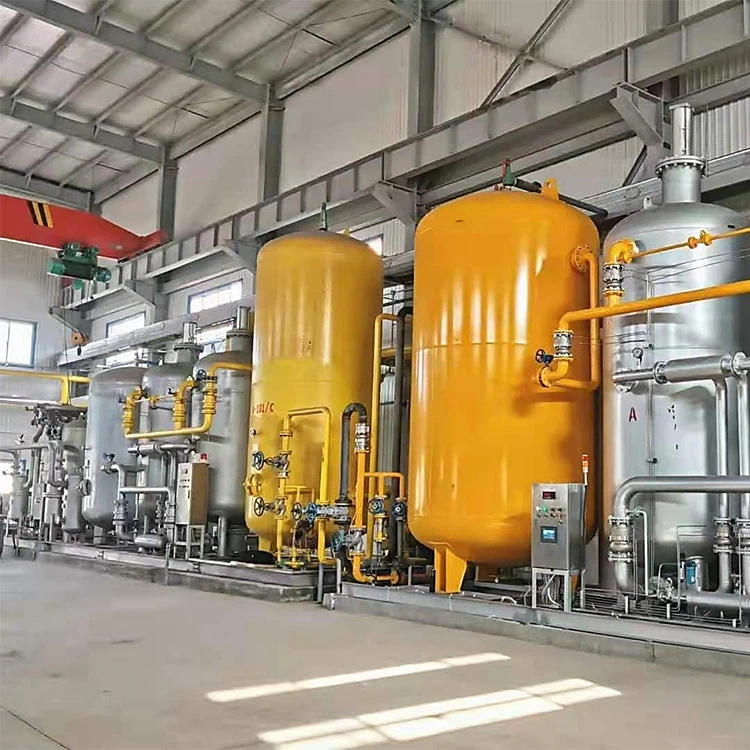
In general, higher operating pressures can increase the adsorption capacity of the adsorbent material, resulting in higher nitrogen purity. However, higher pressures also require more energy to operate the compressor and can increase the wear and tear on the system. Therefore, it's important to choose an operating pressure that balances the desired nitrogen purity with the energy efficiency and reliability of the system.
The operating temperature also affects the performance of the PSA Nitrogen Generator. Lower temperatures can increase the adsorption capacity of the adsorbent material, but they also require more energy to cool the feed air. Higher temperatures can reduce the adsorption capacity of the adsorbent material and increase the desorption rate, resulting in lower nitrogen purity. Therefore, it's important to maintain the operating temperature within a narrow range to ensure optimal performance.
Flow Rate and Purity Requirements
The flow rate and purity requirements of the nitrogen produced by the PSA Nitrogen Generator are also important factors to consider. The flow rate refers to the volume of nitrogen produced per unit of time, while the purity refers to the percentage of nitrogen in the gas stream.
The flow rate of the generator is determined by the size and capacity of the system, as well as the operating conditions. A larger generator can produce a higher flow rate of nitrogen, but it also requires more energy to operate. Therefore, it's important to choose a generator that can meet your specific flow rate requirements while also being energy-efficient.
The purity requirements of the nitrogen depend on the application. Some applications, such as food packaging and electronics manufacturing, require high-purity nitrogen with a purity of 99.999% or higher. Other applications, such as inerting and purging, may require lower-purity nitrogen with a purity of 95% or lower. It's important to choose a generator that can produce nitrogen with the desired purity level while also being cost-effective.
Maintenance and Monitoring
Regular maintenance and monitoring are essential to ensure the optimal performance and reliability of a PSA Nitrogen Generator. Maintenance tasks typically include inspecting and cleaning the air treatment equipment, replacing the adsorbent material, and checking the integrity of the system. Monitoring tasks typically include measuring the nitrogen purity, flow rate, and pressure, as well as monitoring the temperature and humidity of the feed air.
By performing regular maintenance and monitoring, you can detect and address potential problems before they become major issues. This can help to prevent downtime, reduce maintenance costs, and ensure the long-term reliability of the system.
Conclusion
In conclusion, the performance of a PSA Nitrogen Generator is affected by several factors, including feed air quality, adsorbent material, operating pressure and temperature, flow rate and purity requirements, and maintenance and monitoring. By understanding these factors and taking steps to optimize them, you can ensure the optimal performance and reliability of your PSA Nitrogen Generator.
If you're in the market for a PSA Nitrogen Generator or need assistance with optimizing the performance of your existing system, please don't hesitate to [contact us for a consultation]. Our team of experts has extensive experience in the design, installation, and maintenance of PSA Nitrogen Generators and can help you find the right solution for your specific needs.
References
-
[Insert relevant industry standards or technical papers here]
-
PSA Nitrogen Generator: /pressure-swing-adsorption-generator/psa-nitrogen-generator.html
-
VPSA Oxygen Generator: /pressure-swing-adsorption-generator/vpsa-oxygen-generator.html