

Hey there! As a supplier of VPSA Oxygen Generator, I often get asked about the various components of our machines and their functions. One question that pops up quite a bit is about the dryer in a VPSA Oxygen Generator. So, let's dig into it and find out what the dryer does and why it's so important.
What's a VPSA Oxygen Generator Anyway?
Before we jump into the dryer, let's quickly go over what a VPSA Oxygen Generator is. VPSA stands for Vacuum Pressure Swing Adsorption. It's a technology used to separate oxygen from the air. The generator works by using adsorbent materials that can selectively adsorb nitrogen from the air, leaving behind a high - purity oxygen stream. This process is great for a bunch of industries, like medical, metallurgy, and wastewater treatment.
The Role of the Dryer
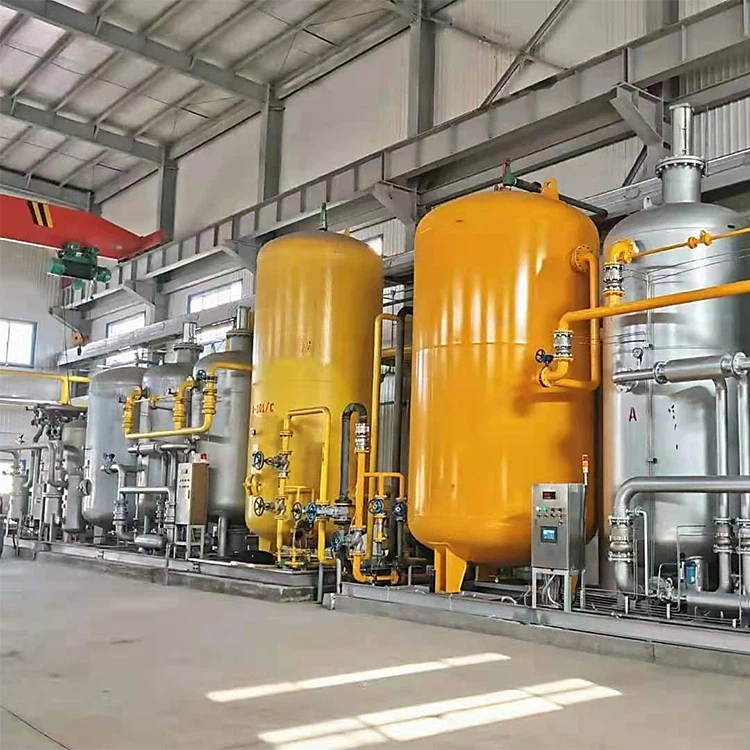
Now, let's talk about the dryer. In a VPSA Oxygen Generator, the dryer plays a crucial role in ensuring the quality and efficiency of the oxygen production process.
Moisture Removal
The air we breathe contains moisture, and this moisture can cause a whole lot of problems in the VPSA Oxygen Generator. When the air enters the generator, the moisture can affect the performance of the adsorbent materials. Adsorbents are designed to attract and hold certain molecules, like nitrogen in this case. But if there's too much moisture, the adsorbent can get "confused" and start adsorbing water molecules instead of nitrogen. This reduces the efficiency of the nitrogen separation process and, ultimately, the purity of the oxygen produced.
The dryer removes this moisture from the incoming air. It uses desiccants or other drying agents to soak up the water vapor. By doing so, it ensures that the adsorbent materials can work at their best, focusing on separating nitrogen and producing high - purity oxygen.

Protecting the Equipment
Moisture can also be really hard on the equipment itself. In a VPSA Oxygen Generator, there are a lot of moving parts and sensitive components. Water can cause corrosion, which can damage these parts over time. Corroded parts can lead to leaks, reduced performance, and even complete equipment failure.
The dryer helps prevent this by keeping the air dry. By removing moisture, it extends the lifespan of the generator's components, reducing the need for frequent repairs and replacements. This not only saves money in the long run but also ensures that the generator can operate continuously without any major disruptions.
Maintaining Product Quality
The quality of the oxygen produced is of utmost importance, especially in industries like medical. Moisture in the oxygen stream can contaminate the product and make it unsuitable for use. For example, in a medical setting, oxygen with high moisture content can cause respiratory problems for patients.
The dryer ensures that the oxygen produced is dry and meets the required quality standards. It helps maintain a consistent level of purity and dryness in the oxygen output, making it safe and effective for various applications.
How Does the Dryer Work?
There are different types of dryers used in VPSA Oxygen Generators, but the most common ones are desiccant dryers.
Desiccant Dryers
Desiccant dryers use a desiccant material, such as silica gel or activated alumina, to remove moisture from the air. The air passes through a container filled with the desiccant, and the desiccant adsorbs the water vapor. As the desiccant becomes saturated with moisture, it needs to be regenerated.
Regeneration is the process of removing the moisture from the desiccant so that it can be used again. There are two main methods of regeneration: heatless regeneration and heated regeneration.
In heatless regeneration, a small portion of the dry, compressed air is used to purge the moisture from the desiccant. This method is simple and energy - efficient but may not be able to achieve very low dew points.
Heated regeneration, on the other hand, uses heat to drive off the moisture from the desiccant. This method can achieve much lower dew points, which means drier air. However, it requires more energy and is generally more complex.
Other Related Equipment and Their Connection
In addition to the dryer, a VPSA Oxygen Generator also has other important components, and they all work together to produce high - purity oxygen. For example, the compressor is responsible for compressing the incoming air, which increases its pressure and makes it easier for the adsorbent materials to separate the nitrogen.
Another related piece of equipment is the PSA Nitrogen Generator. While a VPSA Oxygen Generator focuses on producing oxygen, a PSA Nitrogen Generator does the opposite, separating nitrogen from the air. The principles behind both are similar, but the specific applications and requirements can be different.
Why Choose Our VPSA Oxygen Generators?
At our company, we take pride in our VPSA Oxygen Generators. Our dryers are designed to be highly efficient and reliable. We use high - quality desiccants and advanced regeneration methods to ensure that the air entering the generator is as dry as possible.
Our generators are also built with durability in mind. We understand that our customers rely on our equipment for their daily operations, so we use high - quality materials and components to ensure long - term performance. And we offer excellent customer support, so if you have any questions or run into any issues, our team is always ready to help.
Let's Talk Business
If you're in the market for a VPSA Oxygen Generator, we'd love to have a chat with you. Whether you're in the medical field, the manufacturing industry, or any other sector that needs high - purity oxygen, we can provide you with a solution that meets your specific needs. Contact us to discuss your requirements, and let's work together to find the perfect VPSA Oxygen Generator for you.
References
- "Principles of Pressure Swing Adsorption" by Ralph T. Yang
- "Industrial Gas Handbook: Gas Separation and Purification" by Joseph Haggin
So, there you have it! That's the function of the dryer in a VPSA Oxygen Generator. I hope this blog post has been helpful in understanding this important component. If you have any more questions, feel free to reach out!