

Hey there! As a supplier of VPSA Oxygen Generators, I've seen firsthand how these machines play a crucial role in various industries. Today, I want to dive into the impact of long - term continuous operation on a VPSA Oxygen Generator.
First off, let's quickly understand what a VPSA Oxygen Generator is. A VPSA Oxygen Generator uses the Vacuum Pressure Swing Adsorption (VPSA) technology to separate oxygen from the air. It's a reliable and cost - effective way to produce oxygen on - site, which is why it's so popular in industries like metallurgy, chemical, and wastewater treatment.
1. Efficiency and Performance
When a VPSA Oxygen Generator runs continuously for a long time, its efficiency can be affected. At the beginning of its operation, the generator is in its prime state. The adsorbent beds, which are responsible for separating oxygen from nitrogen and other gases, work at their best. The valves and other mechanical components are also new and operate smoothly.
However, as time goes on, the adsorbent material can start to degrade. The constant adsorption and desorption cycles cause wear and tear on the adsorbent. This degradation can lead to a decrease in the separation efficiency of oxygen. In other words, the generator may not be able to produce as much oxygen as it did when it was new, or the purity of the oxygen produced may drop.
The mechanical components, such as valves and pumps, also face challenges during long - term continuous operation. They are constantly opening and closing, and the seals can wear out. This can result in leaks, which not only reduce the overall efficiency of the generator but also increase the energy consumption. For example, if a valve leaks, the generator has to work harder to maintain the required pressure, which means more electricity is used.
2. Maintenance Requirements
Long - term continuous operation significantly increases the maintenance requirements of a VPSA Oxygen Generator. Since the generator is always running, the components are under constant stress. Regular inspections become a must. You need to check the adsorbent beds for signs of degradation, the valves for leaks, and the pumps for proper functioning.
The adsorbent material may need to be replaced more frequently. Depending on the operating conditions, such as the quality of the inlet air and the frequency of use, the adsorbent can lose its effectiveness within a few years. Replacing the adsorbent is a major maintenance task that requires shutting down the generator, which can be a hassle for industries that rely on a continuous supply of oxygen.
The mechanical components also need regular servicing. Valves may need to be lubricated or replaced, and pumps may need to have their bearings and seals checked. If these maintenance tasks are not carried out in a timely manner, it can lead to more serious problems, such as complete breakdowns of the generator.
3. Energy Consumption
As mentioned earlier, long - term continuous operation can increase energy consumption. The degradation of the adsorbent and the wear of mechanical components force the generator to work harder to produce the same amount of oxygen. This means more power is required to run the compressor, the vacuum pump, and other auxiliary equipment.
The increase in energy consumption not only leads to higher operating costs but also has an environmental impact. In today's world, where energy efficiency and environmental protection are becoming more and more important, the increased energy consumption of a VPSA Oxygen Generator due to long - term continuous operation is a significant concern.
4. Reliability and Lifespan
The reliability of a VPSA Oxygen Generator can be compromised during long - term continuous operation. With all the components under constant stress, there is a higher risk of unexpected breakdowns. A breakdown can be extremely costly for industries, especially those that cannot afford to have an interrupted supply of oxygen. For example, in a metallurgical plant, a sudden stop of the oxygen supply can cause production delays and even damage to the equipment.

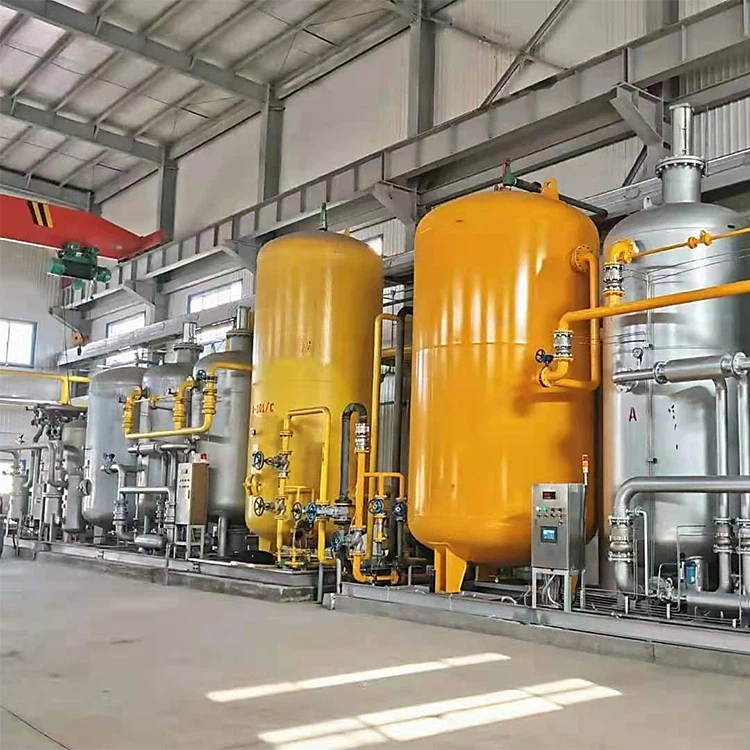
The lifespan of the generator can also be affected. If the generator is not properly maintained during its continuous operation, the components may wear out faster, reducing the overall lifespan of the machine. This means that industries may have to invest in a new generator sooner than expected, which is a significant financial burden.
5. Safety Concerns
Long - term continuous operation also brings some safety concerns. The increased wear and tear of components can lead to leaks of oxygen or other gases. Oxygen is a highly reactive gas, and a leak can pose a fire or explosion hazard, especially in an industrial environment where there may be flammable materials present.
The electrical components of the generator also face risks during long - term operation. Overheating due to increased energy consumption can cause electrical failures, which can be dangerous. Regular safety inspections are essential to ensure that the generator is operating safely.
How to Mitigate the Impact
Although long - term continuous operation has several negative impacts on a VPSA Oxygen Generator, there are ways to mitigate these effects.
Regular Maintenance
As I've emphasized before, regular maintenance is key. By following a strict maintenance schedule, you can catch problems early and prevent them from becoming major issues. This includes regular inspections of all components, timely replacement of worn - out parts, and proper servicing of the generator.
Monitoring and Control
Installing monitoring systems can help you keep track of the performance of the generator. You can monitor parameters such as oxygen purity, flow rate, pressure, and energy consumption. By analyzing these data, you can detect any changes in the generator's performance and take appropriate actions in a timely manner.
Optimize Operating Conditions
Make sure the generator is operating under the optimal conditions. This includes ensuring the quality of the inlet air, maintaining the proper temperature and humidity, and avoiding overloading the generator. By optimizing the operating conditions, you can reduce the stress on the components and extend the lifespan of the generator.
Conclusion
In conclusion, long - term continuous operation of a VPSA Oxygen Generator has significant impacts on its efficiency, maintenance requirements, energy consumption, reliability, and safety. However, with proper maintenance, monitoring, and optimization of operating conditions, these impacts can be minimized.
If you're in the market for a VPSA Oxygen Generator or have any questions about its long - term operation, feel free to reach out to us. We're here to provide you with the best solutions and support. And if you're also interested in nitrogen generation, check out our PSA Nitrogen Generator.
Let's work together to ensure that your oxygen generation needs are met efficiently and safely. Contact us today to start the procurement discussion!
References
- "Principles of Pressure Swing Adsorption" by Douglas M. Ruthven, S. Farooq, and K. S. Knaebel
- Industry reports on oxygen generation technology and its applications.