

As a seasoned supplier of VPSA Oxygen Generators, I'm often asked about the installation process of these essential pieces of equipment. In this blog post, I'll take you through the step-by-step installation process of a VPSA Oxygen Generator, providing you with a comprehensive understanding of what to expect.
Step 1: Site Preparation
The first step in installing a VPSA Oxygen Generator is to prepare the site where the unit will be installed. This involves several key considerations:
- Location Selection: Choose a location that is well-ventilated, dry, and away from sources of heat, moisture, and dust. The area should also be easily accessible for maintenance and repairs.
- Foundation Preparation: A solid foundation is crucial to ensure the stability of the VPSA Oxygen Generator. The foundation should be level and able to support the weight of the unit. Depending on the size and weight of the generator, you may need to pour a concrete foundation or use steel supports.
- Electrical and Piping Connections: Ensure that the site has a suitable electrical supply and that the necessary piping connections are in place. The electrical supply should meet the specifications of the VPSA Oxygen Generator, and the piping should be properly sized and installed to ensure efficient operation.
Step 2: Equipment Delivery and Unloading
Once the site is prepared, the VPSA Oxygen Generator can be delivered to the location. It's important to handle the equipment with care during the unloading process to prevent any damage. Here are some key points to keep in mind:
- Inspection: Before unloading the equipment, conduct a thorough inspection to ensure that all components are present and in good condition. Check for any signs of damage or missing parts.
- Unloading: Use appropriate lifting equipment, such as a crane or forklift, to unload the VPSA Oxygen Generator from the delivery truck. Follow the manufacturer's instructions for lifting and handling the equipment to avoid any accidents.
- Positioning: Once the equipment is unloaded, carefully position it on the prepared foundation. Use leveling tools to ensure that the unit is level and properly aligned.
Step 3: Installation of Components
After the VPSA Oxygen Generator is positioned on the foundation, the next step is to install the various components of the system. This includes the air compressor, adsorption towers, oxygen storage tank, and control panel. Here's a breakdown of the installation process for each component:
- Air Compressor: The air compressor is responsible for supplying compressed air to the VPSA Oxygen Generator. Install the air compressor according to the manufacturer's instructions, ensuring that it is properly connected to the electrical supply and the intake and discharge piping.
- Adsorption Towers: The adsorption towers are the heart of the VPSA Oxygen Generator, where the separation of oxygen from nitrogen takes place. Install the adsorption towers on the foundation and connect them to the air compressor and the oxygen storage tank using the appropriate piping.
- Oxygen Storage Tank: The oxygen storage tank is used to store the generated oxygen until it is needed. Install the oxygen storage tank near the VPSA Oxygen Generator and connect it to the adsorption towers using the oxygen transfer piping.
- Control Panel: The control panel is used to monitor and control the operation of the VPSA Oxygen Generator. Install the control panel in a convenient location near the equipment and connect it to the electrical supply and the various sensors and actuators of the system.
Step 4: Piping and Electrical Connections
Once all the components are installed, the next step is to make the necessary piping and electrical connections. This is a critical step in the installation process, as improper connections can lead to leaks, malfunctions, or safety hazards. Here are some important points to consider:

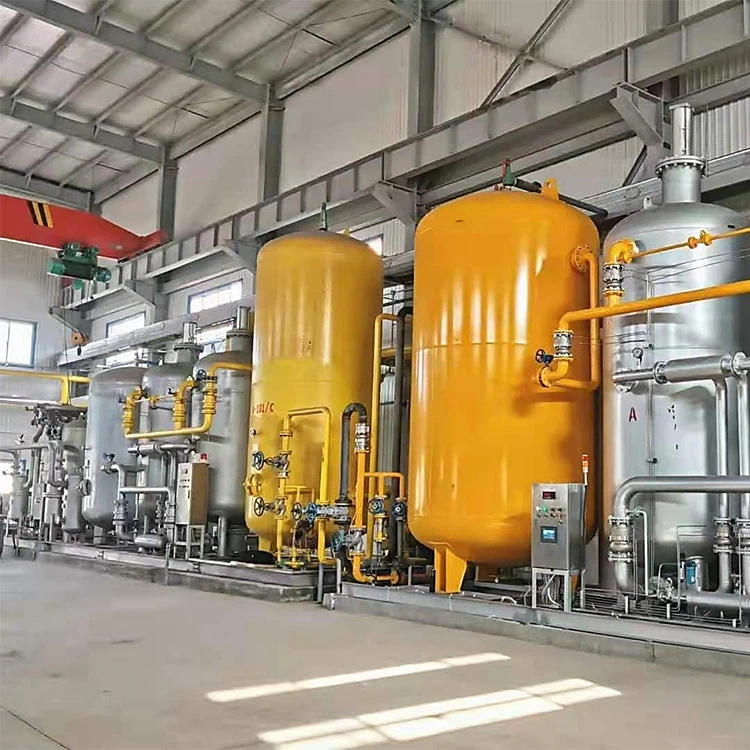
- Piping Installation: Use high-quality piping materials that are suitable for the application, such as stainless steel or copper. Ensure that the piping is properly sized, routed, and supported to prevent any stress or vibration. Make sure to use appropriate fittings and seals to ensure a tight and leak-free connection.
- Electrical Wiring: Follow the electrical wiring diagram provided by the manufacturer to make the electrical connections. Use appropriate wire sizes and insulation to ensure safe and reliable operation. Make sure to ground the equipment properly to prevent electrical shocks.
- Testing and Inspection: After the piping and electrical connections are made, conduct a thorough testing and inspection of the system to ensure that everything is working properly. Check for any leaks, electrical faults, or abnormal noises. Make any necessary adjustments or repairs before proceeding to the next step.
Step 5: System Testing and Commissioning
Once the piping and electrical connections are complete, the VPSA Oxygen Generator is ready for system testing and commissioning. This involves running the equipment through a series of tests to ensure that it is operating correctly and producing the desired oxygen purity and flow rate. Here's what the testing and commissioning process typically involves:
- Initial Startup: Start the VPSA Oxygen Generator and allow it to run for a few minutes to warm up. Monitor the system for any abnormal noises, vibrations, or temperature changes.
- Oxygen Purity Testing: Use an oxygen analyzer to measure the purity of the generated oxygen. Adjust the operating parameters of the system, such as the pressure, flow rate, and cycle time, to achieve the desired oxygen purity.
- Flow Rate Testing: Measure the flow rate of the generated oxygen using a flow meter. Ensure that the flow rate meets the requirements of the application.
- System Optimization: Based on the test results, make any necessary adjustments to the operating parameters of the VPSA Oxygen Generator to optimize its performance. This may involve adjusting the adsorption time, desorption time, or the pressure differential between the adsorption towers.
- Safety Checks: Conduct a thorough safety check of the system to ensure that all safety devices, such as pressure relief valves, emergency stop buttons, and alarms, are working properly.
Step 6: Operator Training
Once the VPSA Oxygen Generator is successfully commissioned, it's important to provide operator training to the personnel who will be responsible for operating and maintaining the equipment. This will ensure that they have the knowledge and skills necessary to operate the system safely and efficiently. The operator training typically includes the following topics:
- System Overview: Provide an overview of the VPSA Oxygen Generator system, including its components, operation principles, and safety features.
- Operating Procedures: Teach the operators how to start, stop, and monitor the operation of the VPSA Oxygen Generator. Provide them with a detailed operating manual and a set of standard operating procedures.
- Maintenance and Troubleshooting: Train the operators on the routine maintenance tasks, such as filter replacement, lubrication, and inspection. Teach them how to identify and troubleshoot common problems and how to perform basic repairs.
- Safety Procedures: Emphasize the importance of safety when operating the VPSA Oxygen Generator. Teach the operators about the potential hazards associated with the equipment and how to prevent accidents and injuries.
Step 7: Ongoing Support and Maintenance
After the installation and commissioning of the VPSA Oxygen Generator, it's important to provide ongoing support and maintenance to ensure the long-term reliability and performance of the equipment. This includes regular inspections, preventive maintenance, and troubleshooting services. Here are some key points to consider:
- Regular Inspections: Schedule regular inspections of the VPSA Oxygen Generator to check for any signs of wear, damage, or malfunction. Inspect the equipment for leaks, corrosion, and proper alignment.
- Preventive Maintenance: Perform preventive maintenance tasks, such as filter replacement, lubrication, and calibration, according to the manufacturer's recommendations. This will help to prevent breakdowns and extend the lifespan of the equipment.
- Troubleshooting Services: Provide prompt troubleshooting services to address any issues or problems that may arise with the VPSA Oxygen Generator. Have a team of experienced technicians available to diagnose and repair the equipment as quickly as possible.
- Spare Parts Availability: Maintain an inventory of spare parts for the VPSA Oxygen Generator to ensure that any necessary replacements can be made quickly and easily. This will minimize downtime and keep the equipment operating at peak performance.
In conclusion, the installation process of a VPSA Oxygen Generator involves several important steps, from site preparation and equipment delivery to system testing and commissioning. By following the manufacturer's instructions and best practices, you can ensure a successful installation and a reliable and efficient operation of the equipment. If you're interested in learning more about our VPSA Oxygen Generator or our PSA Nitrogen Generator, please feel free to contact us for a consultation and to discuss your specific requirements. We're here to help you find the best solution for your oxygen generation needs.
References
- Manufacturer's Installation Manual for VPSA Oxygen Generator
- Industry Standards and Guidelines for Oxygen Generation Equipment Installation