

As a supplier of PSA Nitrogen Generators, I often encounter questions from clients about the monitoring system of these generators. In this blog, I'll delve into the functions and importance of the monitoring system of a PSA Nitrogen Generator.
1. Understanding PSA Nitrogen Generators
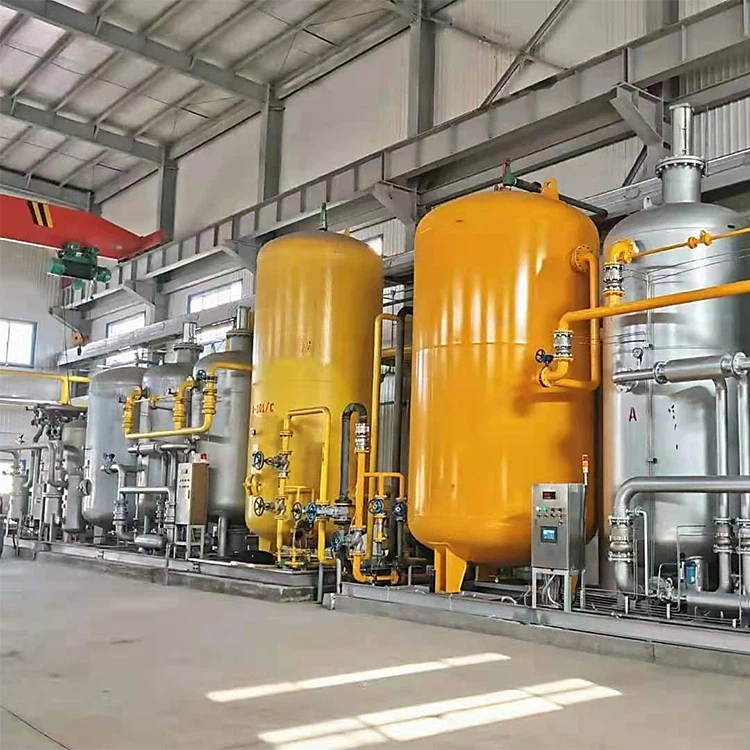
PSA (Pressure Swing Adsorption) Nitrogen Generators are widely used in various industries to produce high - purity nitrogen gas. The basic principle of a PSA Nitrogen Generator involves using adsorbents, such as carbon molecular sieves, to separate nitrogen from other gases in the air. Under high pressure, the adsorbent preferentially adsorbs oxygen, carbon dioxide, and moisture, allowing nitrogen to pass through and be collected. When the pressure is reduced, the adsorbent releases the adsorbed gases, regenerating itself for the next cycle.
You can learn more about PSA Nitrogen Generators by visiting our PSA Nitrogen Generator page.
2. The Role of the Monitoring System
The monitoring system of a PSA Nitrogen Generator is like the "brain" of the entire equipment. It plays a crucial role in ensuring the stable operation, safety, and quality of nitrogen production.
2.1 Monitoring Gas Quality
One of the primary functions of the monitoring system is to monitor the quality of the produced nitrogen gas. The purity of nitrogen is a critical parameter, especially in industries such as food packaging, electronics manufacturing, and chemical processing. The monitoring system continuously measures the nitrogen purity using sensors. For example, in food packaging, high - purity nitrogen is used to displace oxygen in the packaging, preventing food spoilage and extending the shelf life. If the nitrogen purity drops below the required level, the monitoring system can issue an alarm, indicating that there may be a problem with the generator, such as adsorbent degradation or a malfunction in the pressure control system.
2.2 Pressure Monitoring
Pressure is another key factor in the operation of a PSA Nitrogen Generator. The adsorption and desorption processes in the generator rely on specific pressure differentials. The monitoring system keeps track of the pressure in different parts of the generator, including the inlet pressure, adsorption pressure, and desorption pressure. If the pressure deviates from the set values, it can affect the efficiency of the separation process and the quality of the produced nitrogen. For instance, if the adsorption pressure is too low, the adsorbent may not adsorb oxygen effectively, resulting in lower nitrogen purity. On the other hand, excessive pressure can cause damage to the equipment and increase energy consumption.
2.3 Flow Rate Monitoring
The flow rate of the produced nitrogen gas is also an important parameter. Different industrial applications have different requirements for the nitrogen flow rate. The monitoring system measures the flow rate of the nitrogen gas leaving the generator. By adjusting the operating parameters based on the flow rate, the generator can meet the specific needs of the users. For example, in a large - scale chemical plant, a high - flow nitrogen supply may be required for inerting storage tanks, while a smaller - scale laboratory may only need a low - flow nitrogen source for instrument purging.
2.4 Temperature Monitoring
Temperature can have a significant impact on the performance of the adsorbent in a PSA Nitrogen Generator. The monitoring system monitors the temperature inside the adsorption towers. High temperatures can reduce the adsorption capacity of the adsorbent, while low temperatures may slow down the adsorption and desorption processes. By keeping the temperature within an optimal range, the generator can operate more efficiently and produce nitrogen of consistent quality.
3. Safety Assurance
The monitoring system also plays a vital role in ensuring the safety of the PSA Nitrogen Generator.
3.1 Leak Detection
Gas leaks can pose serious safety hazards, especially in industrial environments. The monitoring system is equipped with sensors to detect any potential nitrogen or air leaks. If a leak is detected, the system can trigger an alarm and may even shut down the generator to prevent further leakage. This is crucial for preventing asphyxiation risks in enclosed spaces, as nitrogen is an inert gas that can displace oxygen if there is a large - scale leak.
3.2 Over - pressure and Over - temperature Protection
In case of abnormal pressure or temperature increases, the monitoring system can take preventive measures. For example, if the pressure exceeds the maximum allowable limit, the system can activate a pressure - relief valve to release the excess pressure. Similarly, if the temperature rises too high, the system can shut down the heating elements or increase the cooling rate to prevent damage to the equipment.
4. Maintenance and Troubleshooting
The monitoring system provides valuable data for maintenance and troubleshooting.
4.1 Predictive Maintenance
By continuously monitoring various parameters, the system can detect early signs of equipment wear or malfunctions. For example, a gradual decrease in nitrogen purity over time may indicate that the adsorbent needs to be replaced. The monitoring system can record historical data, allowing maintenance personnel to analyze trends and plan preventive maintenance activities in advance. This can reduce downtime and save on maintenance costs.
4.2 Troubleshooting
When a problem occurs in the PSA Nitrogen Generator, the monitoring system can provide detailed information about the operating conditions at the time of the failure. This information can help technicians quickly identify the root cause of the problem. For example, if the generator suddenly stops producing nitrogen, the monitoring data can show whether it is due to a pressure issue, a sensor malfunction, or a problem with the adsorbent.
5. Integration with Other Systems
In modern industrial settings, PSA Nitrogen Generators are often integrated with other production systems. The monitoring system can communicate with other control systems in the plant, such as the central control room or the automation system of a production line. This integration allows for seamless operation and better coordination of the overall production process. For example, the nitrogen generator can adjust its output based on the real - time demand from the production line, ensuring a stable supply of nitrogen gas.
6. Comparison with Related Technologies
It's also worth comparing PSA Nitrogen Generators with other gas - generation technologies. For example, VPSA Oxygen Generator uses a similar pressure - swing adsorption principle but focuses on producing oxygen. While the basic concept of pressure - swing adsorption is the same, the monitoring requirements for oxygen production are different. In an oxygen generator, the monitoring system needs to focus more on oxygen purity, humidity, and the prevention of potential fire hazards due to the presence of oxygen.

7. Conclusion and Call to Action
In conclusion, the monitoring system of a PSA Nitrogen Generator is an essential component that ensures the quality, safety, and efficiency of nitrogen production. It provides real - time information about gas quality, pressure, flow rate, and temperature, allowing for optimal operation and timely maintenance.
If you are in need of a reliable PSA Nitrogen Generator with a state - of - the - art monitoring system, we are here to help. Our PSA Nitrogen Generators are designed with high - precision monitoring systems to meet the diverse needs of different industries. Whether you are a small - scale business or a large - scale industrial enterprise, we can provide you with the right solution. Contact us today to discuss your specific requirements and start a procurement negotiation. We look forward to working with you to provide the best nitrogen - generation solution for your business.
References
- Smith, J. (2018). Gas Separation Technologies in Industrial Applications. New York: Industrial Press.
- Johnson, A. (2020). Advances in Pressure Swing Adsorption Systems. Journal of Chemical Engineering, 35(2), 123 - 135.