

As a supplier of VPSA Oxygen Generators, I often encounter inquiries from clients about the oxygen production rate of these generators. Understanding this crucial aspect is essential for businesses and industries that rely on a consistent and reliable supply of oxygen. In this blog, I'll delve into the factors influencing the oxygen production rate of a VPSA Oxygen Generator and provide insights to help you make informed decisions.
Understanding VPSA Oxygen Generators
Before we discuss the oxygen production rate, let's briefly understand what a VPSA Oxygen Generator is. VPSA stands for Vacuum Pressure Swing Adsorption, a technology that separates oxygen from air by selectively adsorbing nitrogen on a molecular sieve under pressure. The VPSA process operates at near - ambient pressure, using a vacuum to desorb the nitrogen and regenerate the molecular sieve for continuous operation.

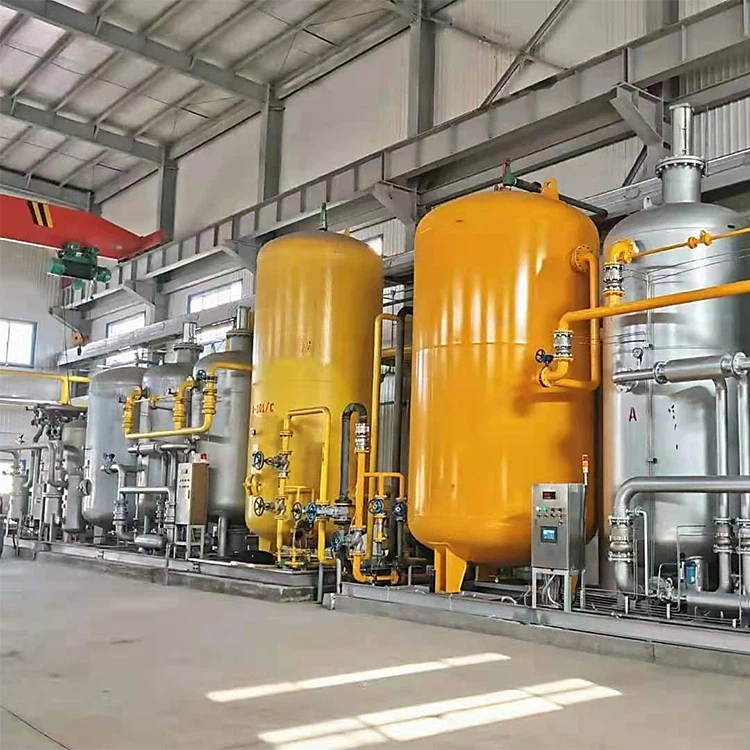
VPSA Oxygen Generators are widely used in various industries, including metallurgy, chemical processing, wastewater treatment, and medical applications. They offer several advantages over traditional oxygen supply methods, such as lower operating costs, on - site production, and a more stable oxygen supply.
Factors Affecting the Oxygen Production Rate
1. Size and Capacity of the Generator
The physical size and design capacity of a VPSA Oxygen Generator are primary determinants of its oxygen production rate. Larger generators with more substantial molecular sieve beds and more powerful vacuum pumps can process more air and produce oxygen at a higher rate. For example, a small - scale VPSA Oxygen Generator designed for a medical clinic may have an oxygen production rate of a few cubic meters per hour, while an industrial - scale generator used in a large steel mill can produce hundreds of cubic meters of oxygen per hour.
2. Air Inlet Conditions
The quality and quantity of the incoming air significantly impact the oxygen production rate. The air should be clean, dry, and free from contaminants such as dust, oil, and moisture. High levels of contaminants can reduce the efficiency of the molecular sieve and decrease the oxygen production rate. Additionally, the ambient temperature and pressure of the air also play a role. Lower air temperatures generally result in a higher density of air, allowing more air to be processed and potentially increasing the oxygen production rate.
3. Oxygen Purity Requirements
The desired purity of the produced oxygen is inversely related to the production rate. Higher purity levels require more extensive separation processes, which can reduce the amount of oxygen produced per unit of time. For instance, if you need oxygen with a purity of 90%, the generator can produce a relatively higher volume compared to when you require 99% pure oxygen. This is because achieving a higher purity demands more cycles of adsorption and desorption, which takes more time and energy.
4. Molecular Sieve Performance
The type and quality of the molecular sieve used in the VPSA Oxygen Generator are crucial for determining the oxygen production rate. Different molecular sieves have different adsorption capacities and selectivities for nitrogen. A high - performance molecular sieve can adsorb more nitrogen in a shorter time, allowing for a faster and more efficient separation process. Over time, the performance of the molecular sieve may degrade due to fouling or aging, which can lead to a decrease in the oxygen production rate. Regular maintenance and replacement of the molecular sieve are necessary to maintain optimal performance.
Calculating the Oxygen Production Rate
The oxygen production rate of a VPSA Oxygen Generator is typically measured in cubic meters per hour (m³/h) or standard cubic feet per minute (SCFM). To calculate the oxygen production rate, you need to consider the following formula:
[ Oxygen\ Production\ Rate = Air\ Flow\ Rate\times Oxygen\ Concentration\ in\ Air\times Recovery\ Efficiency ]
The air flow rate is the volume of air that the generator can process per unit of time. The oxygen concentration in air is approximately 21% under normal conditions. The recovery efficiency takes into account the losses during the separation process and is influenced by factors such as the molecular sieve performance and the design of the generator.
Comparison with PSA Nitrogen Generators
It's worth mentioning the PSA Nitrogen Generator in the context of VPSA Oxygen Generators. PSA (Pressure Swing Adsorption) Nitrogen Generators operate on a similar principle but focus on separating nitrogen from air instead of oxygen. While both technologies use pressure swing adsorption, the molecular sieves and operating conditions are optimized for different gas separation requirements. PSA Nitrogen Generators are commonly used in industries that require a nitrogen - rich environment, such as food packaging, electronics manufacturing, and chemical storage.
Real - World Applications and Production Rate Requirements
In different industries, the oxygen production rate requirements vary widely. In the steel industry, large amounts of oxygen are needed for processes such as steelmaking and iron ore reduction. A typical steel mill may require a VPSA Oxygen Generator with an oxygen production rate of several hundred cubic meters per hour to meet its production needs.
In the wastewater treatment industry, oxygen is used for aerobic biological processes to break down organic matter. Small to medium - sized wastewater treatment plants may need a VPSA Oxygen Generator with an oxygen production rate ranging from 10 to 50 m³/h, depending on the size of the plant and the volume of wastewater to be treated.
Medical facilities also rely on VPSA Oxygen Generators to supply oxygen to patients. A small medical clinic may require an oxygen production rate of 1 - 5 m³/h, while a large hospital may need a generator with a production rate of 10 - 20 m³/h or more, depending on the number of patients and the types of medical procedures being performed.
Ensuring Optimal Oxygen Production Rate
To ensure that your VPSA Oxygen Generator operates at its optimal oxygen production rate, regular maintenance is essential. This includes cleaning the air filters, checking the vacuum pumps for proper operation, and monitoring the performance of the molecular sieve. Additionally, it's important to follow the manufacturer's guidelines for installation, operation, and maintenance.
If you notice a significant decrease in the oxygen production rate, it could be a sign of a problem such as a clogged filter, a malfunctioning pump, or a degraded molecular sieve. In such cases, it's advisable to contact a professional technician for troubleshooting and repair.
Conclusion
The oxygen production rate of a VPSA Oxygen Generator is influenced by multiple factors, including the size and capacity of the generator, air inlet conditions, oxygen purity requirements, and the performance of the molecular sieve. Understanding these factors is crucial for selecting the right generator for your specific needs and ensuring its efficient operation.
As a supplier of VPSA Oxygen Generators, we are committed to providing high - quality products and professional services. If you have any questions about the oxygen production rate or need assistance in selecting the appropriate VPSA Oxygen Generator for your application, please feel free to contact us for a detailed discussion and procurement negotiation. Our team of experts will be happy to help you find the best solution for your oxygen supply requirements.
References
- Ruthven, D. M., Farooq, S., & Knaebel, K. S. (1994). Pressure Swing Adsorption. John Wiley & Sons.
- Yang, R. T. (1987). Gas Separation by Adsorption Processes. Butterworth Publishers.