

As a supplier of PSA Nitrogen Generators, I've witnessed firsthand the integral role that compressors play in these systems. PSA, or Pressure Swing Adsorption, is a well - established technology for separating nitrogen from other gases in the air, and the compressor is the heart of this process.
The Basics of PSA Nitrogen Generation
Before delving into the role of the compressor, it's essential to understand how a PSA Nitrogen Generator works. Air is primarily composed of nitrogen (about 78%) and oxygen (about 21%), along with small amounts of other gases. A PSA Nitrogen Generator uses adsorbent materials, typically zeolite molecular sieves, to selectively adsorb oxygen and other impurities while allowing nitrogen to pass through.
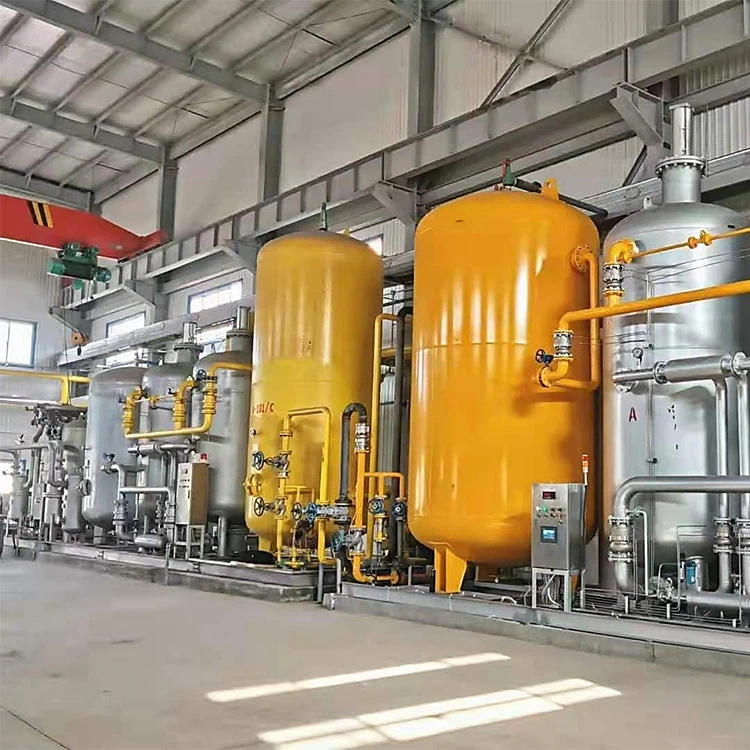
The process occurs in two adsorption towers. When compressed air enters one tower, the adsorbent captures oxygen, carbon dioxide, and water vapor, leaving nitrogen to be collected as the product gas. Meanwhile, the other tower is being regenerated by depressurizing it to release the adsorbed gases. This cycle alternates between the two towers, ensuring a continuous supply of nitrogen. You can learn more about PSA Nitrogen Generators on our website PSA Nitrogen Generator.
The Compressor: The Driving Force
The compressor is the key component that makes the PSA process possible. Its main functions are as follows:
1. Air Intake and Compression
The first step in the PSA nitrogen generation process is to draw in ambient air. The compressor acts as the suction device, pulling air from the surrounding environment. Once the air is inside the compressor, it is compressed to a higher pressure. Compression increases the density of the air, which is crucial for the subsequent adsorption process.
Higher - pressure air contains more gas molecules per unit volume. This means that when the compressed air enters the adsorption tower, there are more oxygen and other impurity molecules available to be adsorbed by the zeolite molecular sieves. As a result, a higher - pressure feed gas can produce a higher - purity nitrogen output.
2. Maintaining the Pressure Differential
In a PSA Nitrogen Generator, a pressure differential is required between the adsorption and regeneration phases. During the adsorption phase, the compressor maintains a relatively high pressure in the adsorption tower. This high pressure forces the air through the adsorbent bed, allowing the adsorbent to capture the unwanted gases effectively.
When it's time for regeneration, the compressor stops supplying compressed air to the tower, and the tower is depressurized. The pressure differential between the high - pressure adsorption phase and the low - pressure regeneration phase is what enables the adsorbent to release the adsorbed gases and be ready for the next adsorption cycle.
3. Ensuring Continuous Operation
A reliable compressor is essential for the continuous operation of a PSA Nitrogen Generator. Since the PSA process alternates between two adsorption towers, the compressor needs to provide a steady and consistent supply of compressed air. Any fluctuations in the compressor's output, such as sudden drops in pressure or flow rate, can disrupt the adsorption process and lead to inconsistent nitrogen purity.
Compressor Types and Their Suitability for PSA Nitrogen Generators
There are several types of compressors available, and each has its own advantages and disadvantages when used in PSA Nitrogen Generators.
1. Reciprocating Compressors
Reciprocating compressors use a piston - cylinder arrangement to compress air. They are known for their high - pressure capabilities and can achieve relatively high compression ratios. This makes them suitable for PSA Nitrogen Generators that require high - pressure feed gas to produce high - purity nitrogen.
However, reciprocating compressors have some drawbacks. They are generally more noisy and require more maintenance compared to other types of compressors. They also have a relatively lower flow rate, which may limit their use in large - scale PSA Nitrogen Generators.
2. Rotary Screw Compressors
Rotary screw compressors are widely used in PSA Nitrogen Generators. They work by using two interlocking screws to compress the air. These compressors offer a continuous and smooth flow of compressed air, which is ideal for maintaining a stable PSA process.

Rotary screw compressors are more energy - efficient than reciprocating compressors and have a lower noise level. They also require less maintenance, making them a popular choice for many PSA Nitrogen Generator applications. However, they may not be able to achieve the same high pressures as reciprocating compressors, which could be a limitation in some high - purity nitrogen production scenarios.
3. Centrifugal Compressors
Centrifugal compressors use a rotating impeller to accelerate the air and then convert the kinetic energy into pressure energy. They are suitable for large - scale PSA Nitrogen Generators that require a high flow rate of compressed air.
Centrifugal compressors are highly efficient and can handle large volumes of air. However, they are more expensive to purchase and install compared to other types of compressors. They also require a more complex control system to maintain stable operation.
Impact of Compressor Performance on Nitrogen Purity and Production Rate
The performance of the compressor has a direct impact on the purity and production rate of nitrogen in a PSA Nitrogen Generator.
1. Nitrogen Purity
As mentioned earlier, a higher - pressure feed gas can lead to a higher - purity nitrogen output. If the compressor fails to maintain the required pressure, the adsorption process may not be as efficient, and some oxygen and other impurities may pass through the adsorption tower, reducing the nitrogen purity.
In addition, any contaminants in the compressed air, such as oil or water, can also affect the performance of the adsorbent. For example, oil can coat the surface of the zeolite molecular sieves, reducing their adsorption capacity and ultimately lowering the nitrogen purity. Therefore, proper filtration and maintenance of the compressor are essential to ensure high - purity nitrogen production.
2. Production Rate
The flow rate of the compressor determines the amount of air that can be fed into the PSA Nitrogen Generator per unit time. A higher - flow compressor can supply more air to the adsorption towers, which generally results in a higher nitrogen production rate.
However, it's important to note that the production rate is also limited by the capacity of the adsorption towers and the adsorbent. If the compressor supplies more air than the adsorption towers can handle, the nitrogen purity may decrease. Therefore, the compressor's flow rate needs to be carefully matched with the overall capacity of the PSA Nitrogen Generator.
Compressor Maintenance and Optimization
To ensure the long - term and efficient operation of a PSA Nitrogen Generator, proper compressor maintenance and optimization are crucial.
1. Regular Maintenance
Regular maintenance of the compressor includes tasks such as changing the air filters, checking the oil level (if it's an oil - lubricated compressor), and inspecting the compressor's components for wear and tear. By performing these maintenance tasks, the compressor can operate at its best performance, reducing the risk of breakdowns and ensuring a stable nitrogen output.
2. Optimization of Compressor Settings
The settings of the compressor, such as pressure and flow rate, need to be optimized according to the specific requirements of the PSA Nitrogen Generator. This may involve adjusting the compressor's control system to match the production rate and purity requirements of the nitrogen output.
In some cases, it may also be necessary to install additional equipment, such as after - coolers and dryers, to remove moisture and heat from the compressed air. This can improve the performance of the adsorption process and extend the lifespan of the adsorbent.
Conclusion
In conclusion, the compressor is an indispensable component in a PSA Nitrogen Generator. It provides the driving force for the entire process, from air intake and compression to maintaining the pressure differential required for adsorption and regeneration. The type of compressor chosen, its performance, and its maintenance all have a significant impact on the purity and production rate of nitrogen.
As a PSA Nitrogen Generator supplier, we understand the importance of selecting the right compressor and ensuring its proper operation. We are committed to providing our customers with high - quality PSA Nitrogen Generators that are equipped with reliable compressors. If you are interested in purchasing a PSA Nitrogen Generator or have any questions about our products, please feel free to contact us for further discussion and procurement negotiation.
References
- [1] Kohl, A. L., & Nielsen, R. B. (1997). Gas Purification. Gulf Publishing Company.
- [2] Yang, R. T. (1987). Gas Separation by Adsorption Processes. Butterworth Publishers.