

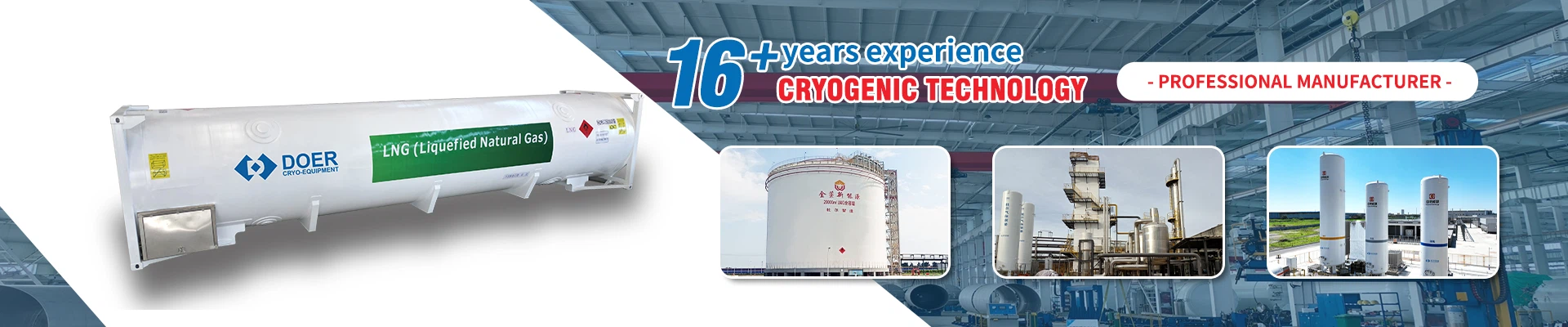
The United Nations International Maritime Organization (IMO) and its International Maritime Dangerous Goods Code (IMDG) classify such tanks into the following categories:
(I) IMO Type 0
Non-dangerous goods with a flash point exceeding 61°C, non-toxic and non-corrosive goods, goods not on the international enforcement agency's embargo list, and liquid foods. However, alcoholic beverages with a flash point exceeding 21°C or an alcohol content exceeding 25% should be shipped in IMO Type 1 tank containers and unloaded from the bottom of the tank.
(II) IMO Type 1
Dangerous goods tank containers, with a maximum permissible working pressure of more than 1.75 bar, are used to transport liquid chemicals with a flash point below 0°C, certain highly toxic or corrosive chemicals, pyrophoric goods, goods that are dangerous when wet, goods that oxidize on their own, and liquid goods whose sealing pressure does not exceed the allowable pressure of the tank. For tanks that transport corrosive and unstable goods, special steel materials must be used and necessary linings must be considered. The sum of the water vapor pressure in the tank at 65"C and other partial pressures caused by it and 0.35 kg/cm² is not allowed to exceed the design pressure of the tank. Materials can be unloaded from the bottom or top of the tank.
(III) IMO Type 2
Sub-dangerous goods tank containers, with a maximum permissible working pressure of more than 1.0 bar and less than 1.75 bar, are used to transport liquid goods with a flash point of 0°C to 61°C and no other hazards, certain dangerous, toxic or corrosive chemicals, and liquid goods with a sealing pressure of less than 172.4 kPa but not exceeding the allowable working pressure of the tank. Materials can be unloaded from the bottom of the tank.
(IV) IMO Type 4
Road tank trucks equipped with type 1 or type 2 tanks.
(V) IMO type 5
Liquid gas tank containers, used to transport non-refrigerated liquefied gas or less dangerous chemicals at room temperature, unloading from the bottom of the tank.
(VI) IMO type 6
Road tank trucks equipped with type 5 tanks.
(VII) IMO type 7
Refrigerated liquid gas tank containers with insulation, used to transport refrigerated liquefied gas or low-temperature liquefied gas and liquid perishable goods that require temperature control, unloading from the bottom of the tank.
(VIII) IMO type 8
Road tank trucks equipped with type 7 tanks.
The portable tank container guidelines apply to dangerous goods that are allowed to be transported in portable tank containers. Each portable tank container guide consists of the English letter T and Arabic numerals (T1 to -175). Each guide represents a technical specification.