

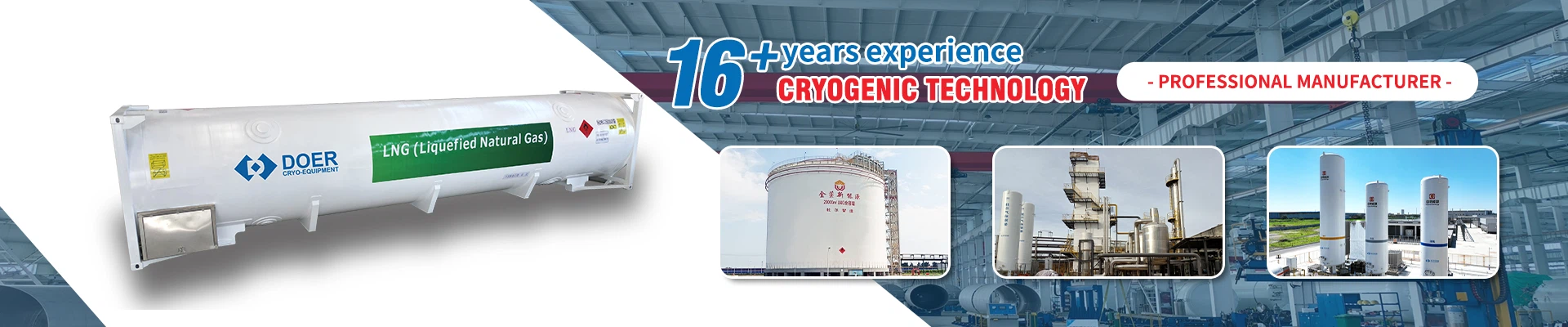
The principle of air separation equipment is mainly based on the differences in physical and chemical properties of different gases in the air, especially the differences in boiling points. Air separation equipment separates oxygen, nitrogen, argon and other gases in the air through these differences.
Specific principle
Adsorption separation method under normal pressure: Separation is carried out by using the different adsorption capacities of different gases on the surface of the adsorbent. Common adsorbents include activated carbon and molecular sieves.
Permeation separation method: Separation is carried out by using the different abilities of different gases to pass through membranes of different materials. Common membrane materials include polymer membranes, ceramic membranes and glass membranes.
Condensation separation method: Separation is carried out by using the differences in boiling points of different gases. By controlling the temperature, the gas is separated using condensing agents such as liquid nitrogen and liquid argon.
Specific application examples
Industrial production: Air separation equipment is widely used in processes such as smelting metals, welding, cutting, oxidation, catalytic reactions, etc. to produce gases such as oxygen, nitrogen, argon and other gases. These gases are also used in food processing, papermaking, pharmaceutical production and other fields.
Scientific research: Air separation equipment is used to manufacture high-purity electronic gases, semiconductor materials, etc., to support the development of the electronics industry. Gases such as oxygen, nitrogen, and argon are also used in laboratory research, physics research, chemical synthesis, and other fields.
Medical field: Oxygen is used for first aid, surgery, oxygen therapy, etc., and nitrogen and argon are also used in specific medical equipment and processes.