

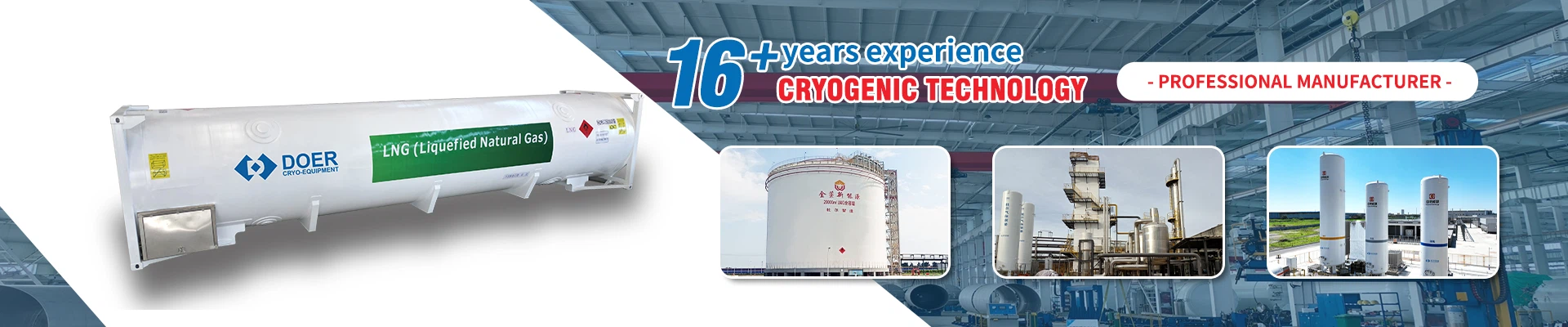
The tank types and sizes of tank containers are usually designed according to ISO standards to ensure compatibility and safety for international transportation. The following is a detailed introduction to tank container tank types and sizes:
Standard tank container sizes:
External dimensions (length × width × height): 6058mm × 2438mm × 2591mm (about 20 feet × 8 feet × 8.6 feet)
Capacity: Generally 25,000 liters (or 6,341 gallons), but different capacities can also be customized according to specific needs, such as 11-14kl, 17.5kl, 21-26kl, etc.
Dead weight: about 3,750 kilograms (specific weight may vary depending on specifications).
Other tank types:
In addition to standard tank containers, there are also a variety of specially designed tank types to meet the transportation needs of different goods, such as:
Baffled Liquid Tank: The outer frame is the standard 20-foot container size, and there are multiple baffles inside to prevent liquid impact during transportation. This type of tank is suitable for transporting liquids with higher density and less filling than standard tanks.
Steam-heated liquid tanks: For liquids that crystallize at room or low temperatures, the liquefied product can be heated by steam pipes when necessary for faster unloading.
Electrically heated liquid tanks: Use a glycol pumping system with cable heating to achieve uniform heat distribution for gentle heating of critical and high-value goods.
Food-grade tank containers: Suitable for temperature-sensitive and perishable goods such as wine, milk, cooking oil, etc. The storage tanks use enhanced insulation materials and heating and cooling designs to ensure that the quality of the goods is maintained throughout the transportation process.
In addition, there are many ways to classify tank containers, such as T11, T14, T20, T50, etc. in terms of model; they can be divided into food tanks and chemical tanks in terms of cargo nature; they can also be classified as liquid tanks, gas tanks, powder tanks, etc. The choice of specific tank type depends on the nature, quantity and transportation requirements of the goods being transported.
In general, tank containers come in a variety of tank types and sizes, which can be customized according to specific needs.