

Hey there! As a supplier of VPSA Oxygen Generator, I've seen firsthand how different environmental factors can mess with the operation of these machines. One factor that often gets overlooked is the humidity in the air. Today, I'm gonna break down how humidity affects a VPSA oxygen generator and what you can do about it.
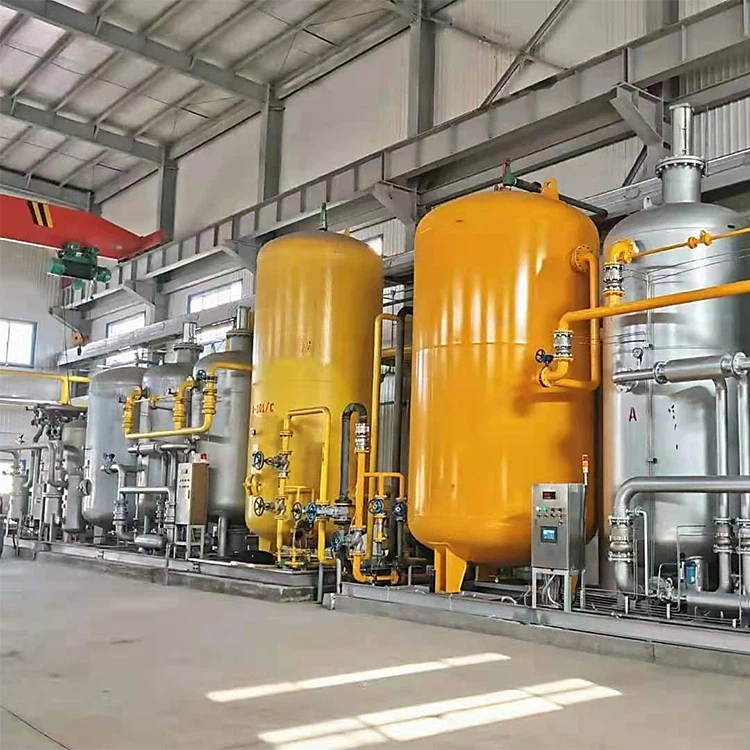
First off, let's quickly go over what a VPSA oxygen generator is. It's a device that uses the pressure swing adsorption (PSA) process to separate oxygen from other gases in the air. The system typically consists of two adsorption towers filled with a special adsorbent material, usually zeolite. When air is pumped into the towers under pressure, the adsorbent selectively traps nitrogen and other impurities, allowing oxygen to pass through and be collected.
Now, let's talk about humidity. Humidity refers to the amount of water vapor present in the air. It can vary greatly depending on the location, time of day, and weather conditions. High humidity means there's a lot of water vapor in the air, while low humidity means there's less.
So, how does humidity affect a VPSA oxygen generator? Well, it mainly comes down to the adsorbent material. Zeolite, the most commonly used adsorbent in VPSA oxygen generators, has a high affinity for water molecules. When the air entering the generator is humid, the zeolite will adsorb not only nitrogen but also water vapor. This can have several negative effects on the generator's performance.
1. Reduced Adsorption Capacity
One of the most significant impacts of high humidity is a reduction in the adsorbent's capacity to adsorb nitrogen. When the zeolite is saturated with water, it has less surface area available to adsorb nitrogen molecules. As a result, the generator may not be able to produce oxygen at the desired purity level or flow rate. In some cases, the oxygen purity may drop below the acceptable range, making the product unsuitable for certain applications.
2. Increased Energy Consumption
To compensate for the reduced adsorption capacity, the VPSA oxygen generator may need to run at a higher pressure or for a longer cycle time. This requires more energy to operate the compressor and other components of the system. As a result, high humidity can lead to increased energy consumption and higher operating costs.

3. Shorter Adsorbent Lifespan
Constant exposure to high humidity can also shorten the lifespan of the adsorbent material. Water vapor can cause the zeolite to swell and lose its structural integrity over time. This can lead to a decrease in its adsorption efficiency and eventually require more frequent replacement of the adsorbent. Replacing the adsorbent is not only costly but also requires downtime for the generator, which can disrupt production.
4. Corrosion and Damage to Components
In addition to affecting the adsorbent, high humidity can also cause corrosion and damage to other components of the VPSA oxygen generator. Water vapor can condense on metal surfaces, leading to rust and corrosion. This can weaken the structural integrity of the components and reduce their lifespan. Corrosion can also cause leaks in the system, which can further affect the generator's performance and safety.
How to Mitigate the Effects of Humidity
So, what can you do to minimize the impact of humidity on your VPSA oxygen generator? Here are some practical solutions:
1. Install a Pre - dryer
One of the most effective ways to reduce the humidity of the incoming air is to install a pre - dryer upstream of the VPSA oxygen generator. A pre - dryer can remove a significant amount of water vapor from the air before it enters the generator. There are several types of pre - dryers available, including refrigerated dryers, desiccant dryers, and membrane dryers. Each type has its own advantages and disadvantages, so it's important to choose the one that best suits your specific needs.
2. Monitor and Control Humidity
Regularly monitoring the humidity levels in the air can help you detect any potential issues early on. You can use a hygrometer to measure the relative humidity of the incoming air. Based on the readings, you can adjust the operation of the pre - dryer or take other appropriate measures to maintain the humidity within an acceptable range.
3. Proper Maintenance
Proper maintenance of the VPSA oxygen generator is crucial to ensure its optimal performance, especially in humid environments. This includes regular inspection and cleaning of the components, checking for leaks, and replacing the adsorbent material at the recommended intervals. By keeping the generator in good condition, you can minimize the risk of damage caused by humidity.
4. Location Selection
When installing a VPSA oxygen generator, it's important to choose a location with low humidity. Avoid areas near sources of moisture, such as water bodies, steam pipes, or areas prone to flooding. If possible, install the generator in an enclosed, climate - controlled space to minimize its exposure to high humidity.
Conclusion
In conclusion, humidity can have a significant impact on the operation of a VPSA oxygen generator. High humidity can reduce the adsorption capacity, increase energy consumption, shorten the adsorbent lifespan, and cause corrosion and damage to components. However, by taking appropriate measures such as installing a pre - dryer, monitoring humidity levels, performing regular maintenance, and choosing the right location, you can mitigate these effects and ensure the reliable and efficient operation of your generator.
If you're in the market for a VPSA Oxygen Generator or need help with optimizing the performance of your existing system, don't hesitate to reach out. We're here to provide you with the best solutions and support. And if you're also interested in nitrogen generation, check out our PSA Nitrogen Generator. Let's work together to meet your gas generation needs!
References
- Perry, R. H., & Green, D. W. (Eds.). (2008). Perry's Chemical Engineers' Handbook. McGraw - Hill.
- Yang, R. T. (1987). Gas Separation by Adsorption Processes. Butterworths.