

Hey there! As a supplier for cylinder filling stations, I've seen firsthand how crucial it is to have solid emergency evacuation plans in place. In this blog, I'm gonna break down what these plans look like and why they're so important.
Why Emergency Evacuation Plans Matter
First off, let's talk about why we even need these plans. Cylinder filling stations deal with all sorts of gases, like liquid nitrogen, LCO2, and liquid argon. These substances can be pretty dangerous if things go wrong. A leak, a fire, or an explosion can put everyone at the station in serious danger. That's where emergency evacuation plans come in. They're designed to get people out of harm's way as quickly and safely as possible.
Key Components of an Emergency Evacuation Plan
Risk Assessment
Before you can come up with a good evacuation plan, you need to know what you're up against. That means doing a thorough risk assessment. At a cylinder filling station, you've got to consider things like the types of gases you're handling, the layout of the facility, and the potential for accidents. For example, if you're running a Liquid Nitrogen Gas Supply Station, you need to be aware of the risks associated with cryogenic liquids, like frostbite and asphyxiation.
Evacuation Routes
Once you've identified the risks, it's time to map out the evacuation routes. There should be at least two separate and distinct routes from every area of the station. These routes need to be clearly marked with signs and illuminated emergency lighting. It's also a good idea to have regular drills so that everyone knows where to go in case of an emergency.
Assembly Points
After people evacuate the building, they need to go somewhere safe. That's where assembly points come in. These are pre - determined locations outside the station where everyone can gather. The assembly points should be far enough away from the station to avoid any potential hazards, but close enough that they're easily accessible. At the assembly point, a headcount should be taken to make sure that everyone has made it out safely.
Communication Systems
Communication is key during an emergency. You need a reliable way to alert people that there's a problem and to give them instructions on what to do. This could include things like sirens, public address systems, and text message alerts. It's also important to have a system in place for communicating with emergency responders, like the fire department and the police.

Training and Drills
Having a plan is one thing, but making sure that everyone knows how to follow it is another. That's why regular training and drills are so important. All employees at the cylinder filling station should receive training on the emergency evacuation plan, including how to use the communication systems and how to follow the evacuation routes. Drills should be conducted at least once a quarter to keep everyone sharp.
Special Considerations for Different Types of Cylinder Filling Stations
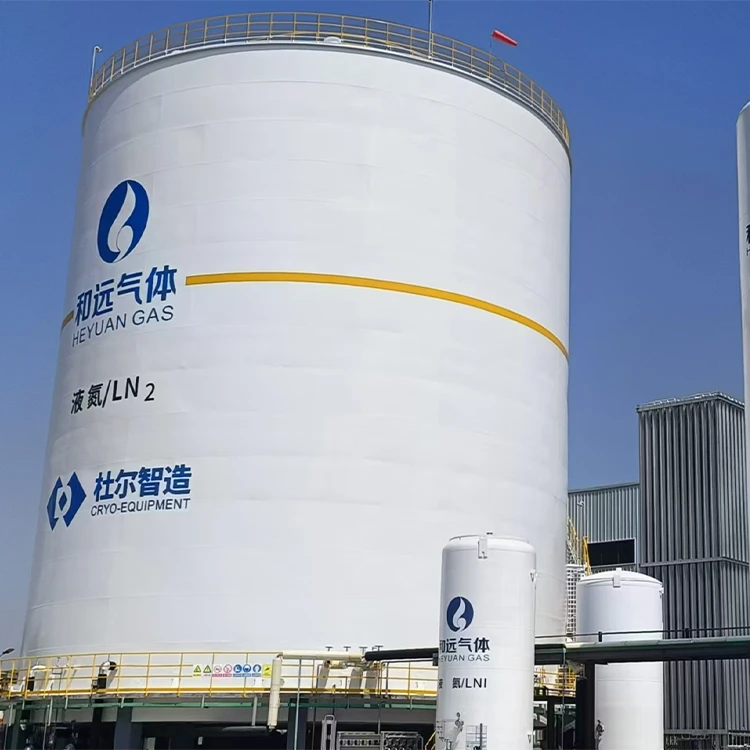
Liquid Nitrogen Gas Supply Station
As I mentioned earlier, liquid nitrogen is a cryogenic liquid, which means it's extremely cold. If there's a leak, it can cause frostbite and asphyxiation. In a Liquid Nitrogen Gas Supply Station, the evacuation plan should include special procedures for dealing with cryogenic spills. For example, employees should be trained to wear appropriate protective gear, like insulated gloves and face shields.
LCO2 Gasification Station
LCO2, or liquid carbon dioxide, also has its own set of risks. If there's a leak, it can displace oxygen in the air, leading to asphyxiation. In a LCO2 Gasification Station, the evacuation plan should focus on getting people to areas with fresh air as quickly as possible. There should also be sensors in place to detect high levels of CO2 in the air.
LAr Cylinder Filling Station
Liquid argon is an inert gas, but it can still be dangerous if there's a large - scale leak. It can displace oxygen in confined spaces, leading to asphyxiation. In a LAr Cylinder Filling Station, the evacuation plan should include procedures for ventilating the area to prevent the build - up of argon gas.
Maintaining and Updating the Evacuation Plan
An emergency evacuation plan isn't something you can just set and forget. It needs to be regularly maintained and updated. As the station changes, like if you add new equipment or change the layout, the evacuation plan needs to be adjusted accordingly. You should also review the plan after every drill or emergency to see if there are any areas that need improvement.
Conclusion
In conclusion, having a well - thought - out emergency evacuation plan is essential for any cylinder filling station. It can mean the difference between a minor incident and a major disaster. By conducting a risk assessment, mapping out evacuation routes, establishing assembly points, having reliable communication systems, and providing regular training and drills, you can ensure the safety of your employees and the surrounding community.
If you're in the market for a cylinder filling station or need help with your emergency evacuation plan, I'd love to talk to you. Reach out to start a conversation about your specific needs and how we can work together to make your operation as safe and efficient as possible.
References
- Occupational Safety and Health Administration (OSHA) guidelines on emergency evacuation.
- Industry best practices for cylinder filling station safety.