

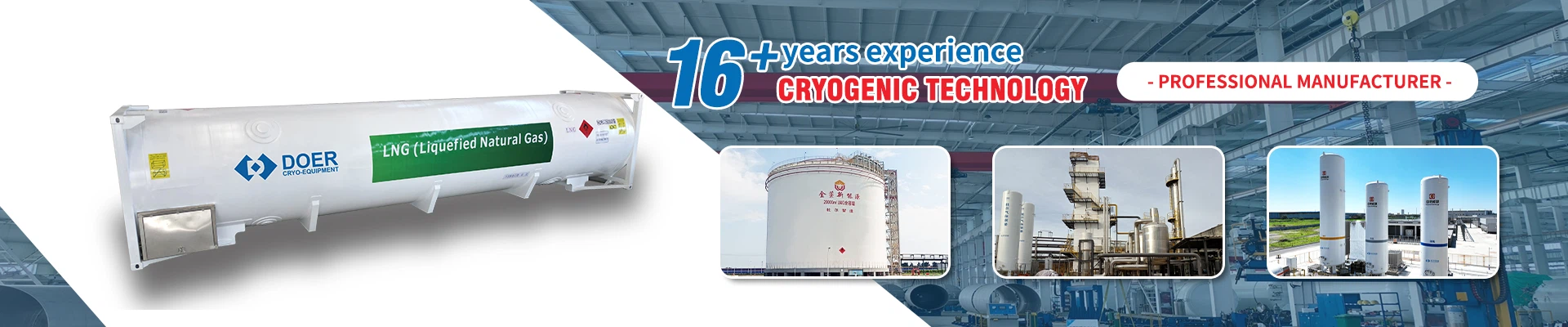
Containers used to transport liquid goods such as alcohol, oil, liquid food, and chemicals.They are mainly composed of a liquid tank and a frame. The liquid tank is oval or nearly spherical and adopts a double-layer structure. The inner wall is made of stainless steel; or made of other rigid materials, but it needs to be coated with a layer of epoxy resin to prevent corrosion of liquid goods. The outer wall is made of insulation material. Generally, there is a circular loading port on the top of the tank and a discharge valve at the bottom of the tank. There are several types of high-pressure liquid tanks, low-pressure liquid tanks, insulated liquid tanks, and liquid tanks with heating devices. The frame is made of high-strength steel, and the liquid tank is placed in the middle of the frame. The handling operation, loading, unloading, and storage of tank containers all require a certain special place and are equipped with special fire safety equipment. [1]
The tank body is surrounded by corner load-bearing frames for protection and lifting. The external frame size of the tank container is exactly the same as the size of the international standard 20 container (20 feet long, 8 feet wide, and 8 feet 6 inches high). It can be used for road, rail and water transportation. It can carry fluid cargoes of up to 14,300 to 31,000 liters (or even larger).
Introduction To Tank Containers
Nov 06, 2024
Leave a message