

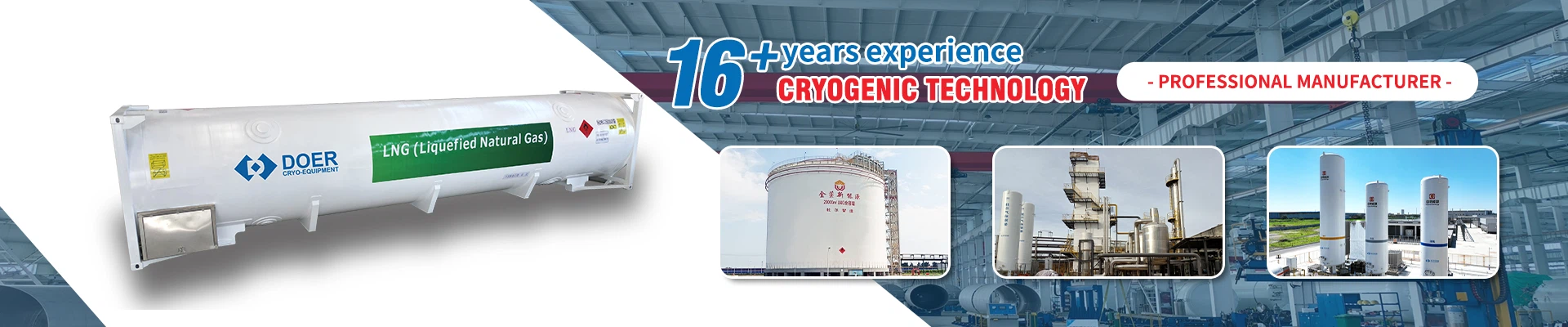
The working principle of LNG ship equipment mainly includes the storage, transportation and gasification process of liquefied natural gas.
Working principle of storage equipment
The storage equipment of LNG ships is mainly liquid cargo tanks, and its design requires extremely high sealing and low temperature resistance. Liquid cargo tanks usually adopt a double-hull design, and ballast water tanks are filled between the outer shell and the inner shell to protect the cargo in the tank. The interior of the liquid cargo tank is composed of an aluminum alloy barrier, a polyurethane or polystyrene foam insulation layer, and a steel wind and rain cover layer. There are also drip trays and void spaces in the liquid cargo tank for collecting leaked liquids and fire protection and heat preservation.
Working principle of transportation equipment
When LNG ships transport natural gas at sea, the natural gas is liquefied at extremely low temperatures under normal pressure, and the volume is reduced by 600 times. The liquefied natural gas is stored in a spherical tank, which is purified by injecting inert gas and dry air, and then cooled to minus 155°C before filling.
Working principle of gasification equipment
The main function of the gasification equipment is to gasify, heat, and pressurize the liquefied natural gas stored on board, and provide it to the ship's main engine or other gas-using equipment in a timely and quantitative manner. The gasification process includes heating the liquefied natural gas to room temperature to change it from liquid to gas, then increasing its pressure through a pressurization system, and finally providing it to the ship's engine or other equipment through a gas supply system.