

As a trusted supplier of cylinder filling stations, I am often asked about the various types of cylinders that can be filled at these facilities. Cylinder filling stations are crucial in providing a wide range of gases for numerous industrial, medical, and commercial applications. In this blog, I will delve into the different types of cylinders that can be filled at a cylinder filling station, highlighting their uses and the importance of proper handling.
Compressed Gas Cylinders
Compressed gas cylinders are the most common type of cylinders filled at a cylinder filling station. These cylinders are designed to store gases under high pressure. The gases are compressed into a small volume, allowing for efficient storage and transportation. Some of the most common compressed gases filled at a cylinder filling station include:

Oxygen Cylinders
Oxygen is a vital gas used in various industries, including healthcare, metal fabrication, and welding. In the healthcare sector, oxygen cylinders are used to provide respiratory support to patients with breathing difficulties. In metal fabrication and welding, oxygen is used to support combustion and enhance the cutting and welding processes. Our Liquid Oxygen Station is specifically designed to fill oxygen cylinders efficiently and safely.
Nitrogen Cylinders
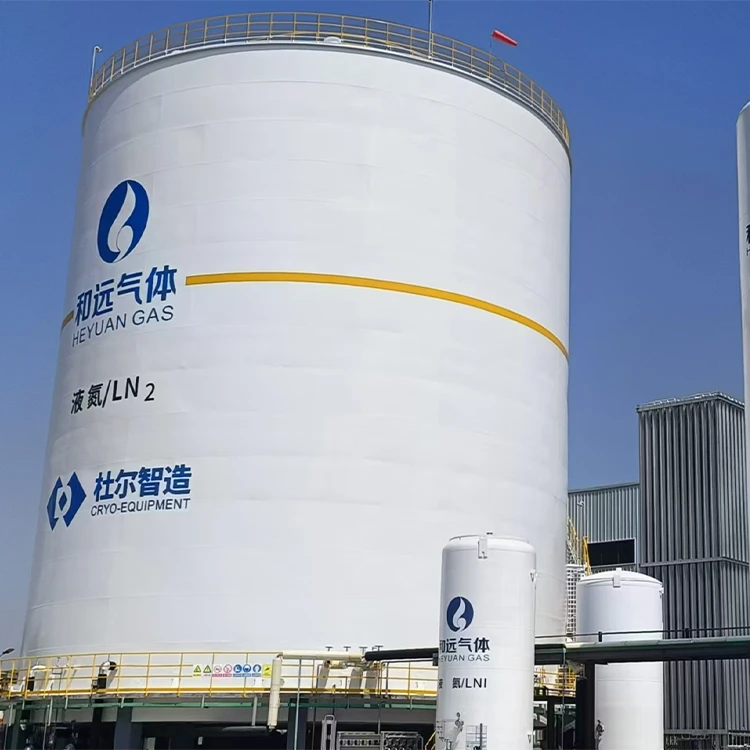
Nitrogen is an inert gas that is widely used in the food and beverage industry, electronics manufacturing, and chemical processing. In the food and beverage industry, nitrogen is used to preserve the freshness and quality of products by displacing oxygen. In electronics manufacturing, nitrogen is used to prevent oxidation and contamination during the production process. Our Liquid Nitrogen Gas Supply Station ensures the reliable filling of nitrogen cylinders.
Carbon Dioxide Cylinders
Carbon dioxide is used in a variety of applications, such as carbonation in the beverage industry, fire extinguishers, and laser cutting. In the beverage industry, carbon dioxide is used to add fizz to drinks. In fire extinguishers, carbon dioxide is used to suppress fires by displacing oxygen. Our LCO2 Gasification Station is capable of filling carbon dioxide cylinders with high precision.
Argon Cylinders
Argon is an inert gas that is commonly used in welding and metal fabrication. It is used as a shielding gas to protect the weld from oxidation and contamination. Argon cylinders are also used in the lighting industry to fill fluorescent and incandescent bulbs.
Liquefied Gas Cylinders
Liquefied gas cylinders are designed to store gases in a liquid state at low temperatures and moderate pressures. These cylinders are commonly used for storing and transporting gases such as propane, butane, and liquefied natural gas (LNG).
Propane Cylinders
Propane is a popular fuel used for heating, cooking, and powering vehicles. Propane cylinders are commonly used in residential and commercial settings for outdoor grills, heaters, and generators. Propane is a clean-burning fuel that is relatively inexpensive and easy to store.
Butane Cylinders
Butane is another commonly used fuel for heating and cooking. Butane cylinders are often used in portable stoves and lighters. Butane has a higher boiling point than propane, making it more suitable for use in colder temperatures.
Liquefied Natural Gas (LNG) Cylinders
LNG is a clean-burning fuel that is used for transportation, power generation, and heating. LNG cylinders are used to store and transport LNG in a liquid state. LNG is a more environmentally friendly alternative to traditional fossil fuels, as it produces fewer emissions.
Specialized Gas Cylinders
In addition to compressed and liquefied gas cylinders, there are also specialized gas cylinders that are used for specific applications. These cylinders are designed to meet the unique requirements of certain industries and applications.
Medical Gas Cylinders
Medical gas cylinders are used to store and transport gases such as oxygen, nitrogen, and carbon dioxide for medical use. These cylinders are subject to strict regulations and standards to ensure the safety and quality of the gases. Medical gas cylinders are used in hospitals, clinics, and ambulances to provide respiratory support and other medical treatments.
High-Pressure Gas Cylinders
High-pressure gas cylinders are designed to store gases at extremely high pressures. These cylinders are used in applications such as scuba diving, aerospace, and industrial processes. High-pressure gas cylinders require special handling and safety precautions to prevent accidents and ensure the integrity of the cylinder.
Low-Pressure Gas Cylinders
Low-pressure gas cylinders are used to store gases at relatively low pressures. These cylinders are commonly used for applications such as laboratory experiments, gas sampling, and calibration. Low-pressure gas cylinders are typically smaller and more portable than high-pressure gas cylinders.
Importance of Proper Cylinder Filling
Proper cylinder filling is essential to ensure the safety and reliability of the cylinders. Here are some key points to consider when filling cylinders:
Safety
Safety is the top priority when filling cylinders. Cylinder filling stations must comply with strict safety regulations and standards to prevent accidents and ensure the well-being of workers and the public. This includes proper handling of gases, use of appropriate equipment, and regular maintenance and inspection of cylinders.
Quality Control
Quality control is crucial to ensure that the gases filled in the cylinders meet the required specifications. Cylinder filling stations must have a quality control system in place to monitor the filling process and test the gases for purity and composition. This helps to ensure that the cylinders are filled with high-quality gases that are suitable for their intended applications.
Compatibility
It is important to ensure that the cylinders are compatible with the gases being filled. Different gases have different properties and requirements, and using the wrong type of cylinder can lead to safety hazards and damage to the cylinder. Cylinder filling stations must have a system in place to verify the compatibility of the cylinders and gases before filling.
Documentation
Proper documentation is essential for traceability and accountability. Cylinder filling stations must keep accurate records of the filling process, including the type of gas, the quantity filled, the date and time of filling, and the serial number of the cylinder. This documentation helps to ensure that the cylinders can be tracked and inspected if necessary.
Conclusion
In conclusion, a cylinder filling station can fill a wide range of cylinders, including compressed gas cylinders, liquefied gas cylinders, and specialized gas cylinders. Each type of cylinder is designed for specific applications and requires proper handling and safety precautions. As a supplier of cylinder filling stations, we are committed to providing high-quality equipment and services to ensure the safe and efficient filling of cylinders.
If you are interested in purchasing a cylinder filling station or have any questions about our products and services, please feel free to contact us for a detailed discussion. We look forward to working with you to meet your gas filling needs.
References
- "Compressed Gas Association (CGA) Standards." Compressed Gas Association.
- "National Fire Protection Association (NFPA) Codes and Standards." National Fire Protection Association.
- "International Organization for Standardization (ISO) Standards." International Organization for Standardization.